

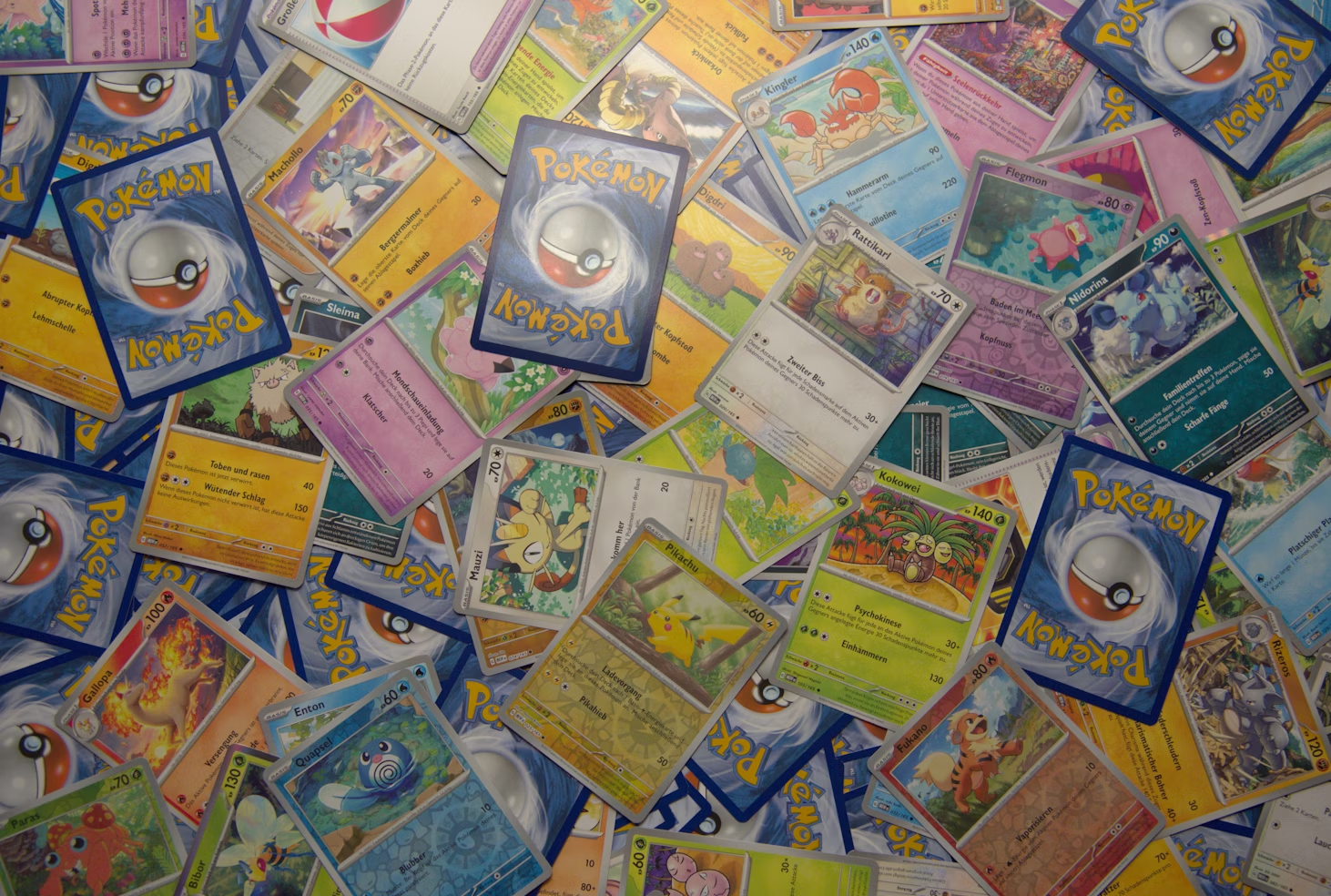
As we enter 2025, the trading card game industry has become more like Wall Street than a childhood hobby. What began as innocent trades of Magic: The Gathering cards on playgrounds are now a global economy of physical and digital collectibles being sold for profit. One recent study indicated that the secondary market for card games and digital collectibles exceeds $4.5 billion in annual transactions and could continue to grow.
This change isn’t just about nostalgia or being a fan. Players are now attaching investor-style notions to cards by considering rarity, and future worth before they buy. A rare Hearthstone skin or first-edition Pokémon card can appreciate in value quicker than standard investments. The distinction between playing a game and investing in the game has never been thinner.


From Game Assets to Financial Instruments
Digital card games have completely changed how players perceive ownership. In the early years of Hearthstone or Legends of Runeterra, digital cards were locked inside each player’s account, with no resale value. But newer models, powered by blockchain and smart contracts, now allow verified ownership and resale of digital assets.
Games such as Splinterlands and Skyweaver have used this structure as their economic basis. Players can sell, trade, and lend their digital card assets on decentralized marketplaces. The idea of true digital ownership has created an investment vehicle for in-game items, like rare digital cards that can be worth hundreds or thousands of dollars.
What’s particularly exciting about 2025 is the emergence of hybrid ecosystems. Some developers are testing the waters by connecting physical cards to digital twins that can be authenticated on the blockchain, closing the divide between collectors who enjoy handling physical cards and those who prefer to be immersed into virtual economies.
The Psychology Behind the Boom
There is a certain mystique behind this new economy. For some, collecting cards is simply not the act of completing a collection or developing a stronger deck. It is forecasting a value change, reading the timing of the market, and determining the best potential meta card ahead of other collectors.
Trending graphs, rarity calculators, and various tactile and altruistic features have entered the traditional gaming experience, lending speculation to a game that was simply to play. In many ways, opening up a booster pack has become controlled gambling; the act of discovery is why people keep purchasing.
It is interesting to note that this speculative behavior is similar to how players interact in other areas of gaming, particularly in online casinos. For example, players who enjoy no download free slots often experience a similar sense of risk and reward, spinning for fun and chasing rare outcomes. No matter where it came from, both forms of gaming are based on anticipation and chance, engaging the same psychological mechanisms that allow players to feel rewarded for winning, even though it is based purely on probabilities.
Platforms and Marketplaces: The New Hubs of Card Economy
Digital marketplaces are now equally as important as the games themselves in 2025. Card trading sites are turning into full financial platforms, and they offer dashboards and analytics, secure transactions, and the ability to manage your portfolio.
Websites such as TCGPlayer and CardMarket are still essential to card sales for physical cards but digital card sales have now become essential in marketplaces such as Immutable X and OpenSea based on the blockchain technology. They provide transparency for pricing and authenticity which solves the long-standing problem of counterfeits.
Some even allow fractional ownership, meaning multiple users can co-own a single rare card. This is a radical shift that mirrors how modern investors can own fractions of high-value art or property. Suddenly, a collector does not need to buy a $10,000 digital card alone. They can invest $100, hold a percentage, and sell their share later for profit.
From Games to Economies: What It Means for Players
As an existing fan, the financialization of card games is both exhilarating and troubling. On the one hand, players are able to capitalize on their investment in the game, effectively converting in-game achievements into financial assets. On the other hand, it leaves one to consider if this is a good thing for the accessibility of the game. Asking the question, “If I can’t afford the rare cards, does that turn competitive play into privileged play?”
In response to this dilemma, developers are experimenting with “play-first” ecosystems that offer trading as an option rather than a requirement. Games such as Marvel Snap are finding ways to reward skill over investment while simultaneously facilitating collectible cosmetics for players wanting to trade.
Simultaneously, financial professionals are taking notice. Analysts say digital collectibles could become a legitimate asset class alongside NFTs, cryptocurrencies, and esports assets. Trading card gaming would find itself right in the middle of the digital finance revolution.