

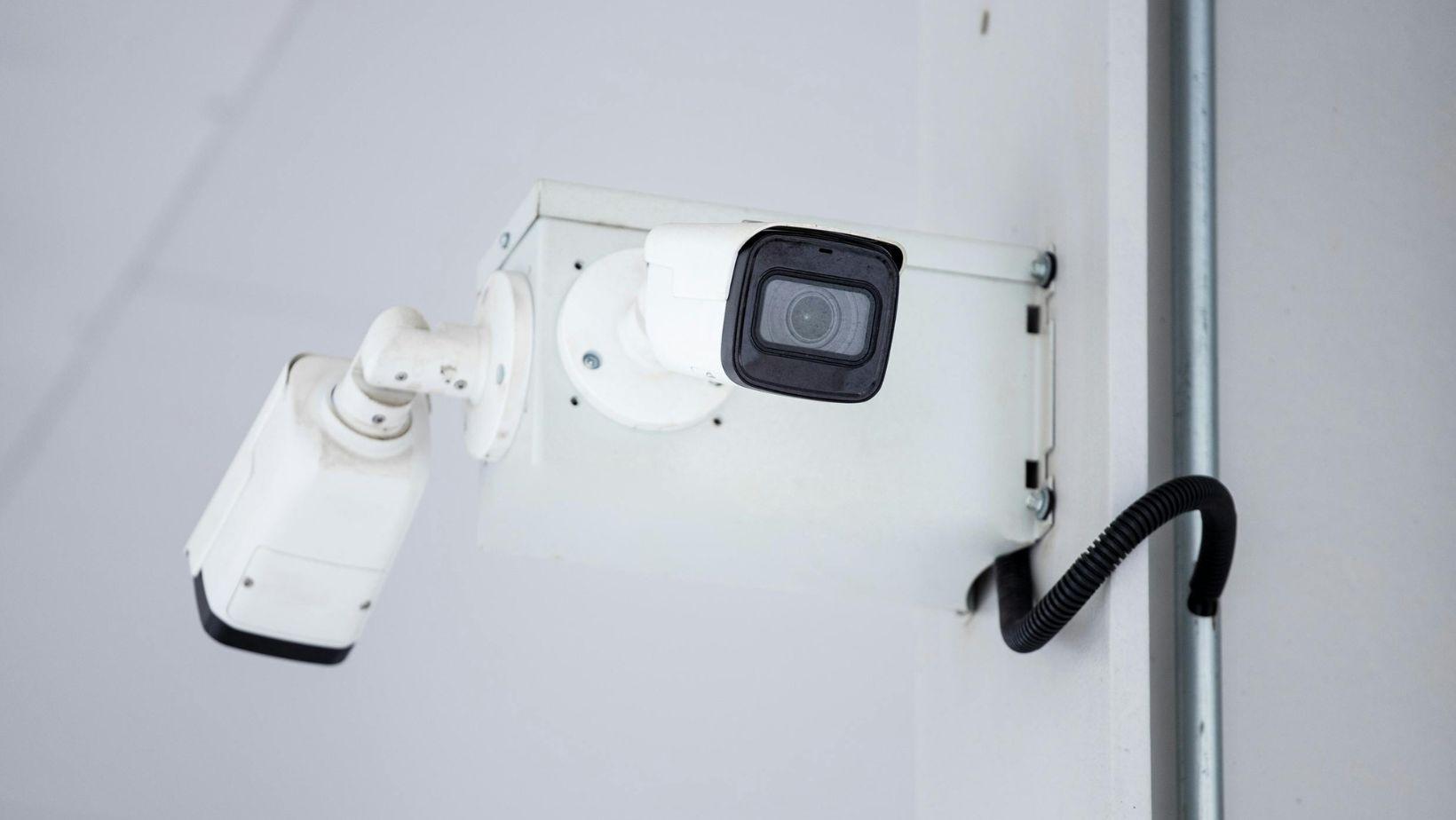
Cameras read faces in airports. Apps log every tap and scroll. Software predicts where crime might happen before it does. Artificial intelligence has turned ordinary watching into something far more powerful, able to track, sort, and judge people at a scale no human team ever could. The technology brings real benefits, yet it also raises a hard question that societies are only starting to answer: how much watching is simply too much?
What AI Surveillance Looks Like Today
At its simplest, AI surveillance means using machines to monitor people and interpret what they find. Traditional cameras only recorded footage for someone to review later. Modern systems analyse that footage instantly, matching faces, reading licence plates, and flagging unusual behaviour without a person in the loop. The same approach now stretches far beyond cameras into the data trails left online. The most common forms fall into a few clear groups.


- Facial recognition that identifies people from cameras or photos.
- Location tracking through phones, cars, and travel records.
- Behavioural analysis of online activity, purchases, and messages.
- Predictive tools that forecast risk, fraud, or likely offenders.
- Workplace monitoring of keystrokes, calls, and movement.
Each of these is already in daily use somewhere in the world. On their own they can seem harmless, even helpful, but combined they build a remarkably detailed picture of a single person’s life. The more these streams connect, the more they reveal patterns a person never chose to share. That power is exactly what makes the technology so useful and so fiercely contested at once.
The Case in Favour
Supporters of these tools point to concrete wins to justify them. Facial recognition has helped reunite missing children with their families and identify suspects in serious crimes. Fraud systems quietly block huge sums of theft before victims ever notice anything wrong. In crowded airports and stadiums, automated checks move large numbers of people through far faster while flagging genuine threats that tired human eyes might easily miss.
Where the Worry Sets In
The discomfort grows when watching shifts from protecting people to controlling them. Constant monitoring can chill free speech, since people behave differently the moment they suspect they are being recorded. Facial recognition has also been shown to misidentify women and darker-skinned faces more often, turning a technical flaw into genuine real-world harm. And data gathered for one purpose has a habit of quietly creeping into others.
Scale changes everything too. A single camera is one thing, but a network that follows one face across an entire city edges toward the kind of mass tracking that alarms privacy groups and civil liberties campaigners. Once that infrastructure exists, the temptation to expand it rarely fades, and independent oversight often struggles to keep pace with what the tools can already do, let alone what they will manage next.
Surveillance Woven Into Daily Life
Most of this watching happens quietly, attached to services people use every day. Banks scan transactions for fraud, shops study buying habits, and streaming services track viewing down to the second. Few users read the terms that allow it, and fewer still picture the sheer scale of data gathered with every login, swipe, or search.
Online gambling shows how smoothly this technology now works in the background. Casinos use AI to verify identities in seconds, keep payments secure, and make sure games stay fair for everyone at the table. Claiming a slotoro promo code no deposit offer runs through those same quick checks, letting new players start a session with ease while the system quietly handles the security side. What ties these examples together is how invisible the monitoring has become. People now expect instant fraud alerts, smooth logins, and tailored recommendations, all of which rely on calibrated AI systems.
Drawing the Line
Most people accept some surveillance and reject other forms, and the difference comes down to consent, purpose, and proportion. Watching to stop a specific crime feels reasonable, while tracking everyone just in case does not. Regulators have begun to formalise that instinct: the European Union’s AI Act, whose first bans took effect in 2025, outlaws several of the most intrusive uses. A simple comparison shows where public opinion tends to settle.
|
Generally accepted |
Widely seen as crossing the line |
|
Fraud checks with clear consent |
Untargeted scraping of faces from the web |
|
Targeted searches for a missing person |
Live facial recognition of whole crowds |
|
Security cameras in high-risk areas |
Emotion tracking of workers or students |
Keeping the Balance Right
AI surveillance is not going away, and it does help catch criminals, prevent fraud, and keep people safer. The real task is deciding which uses serve the public and which simply serve power. Drawing that line calls for transparency about what is collected, firm limits on how it is used, and oversight strong enough to enforce both. Handled with care, the technology can protect people without watching their every move.