

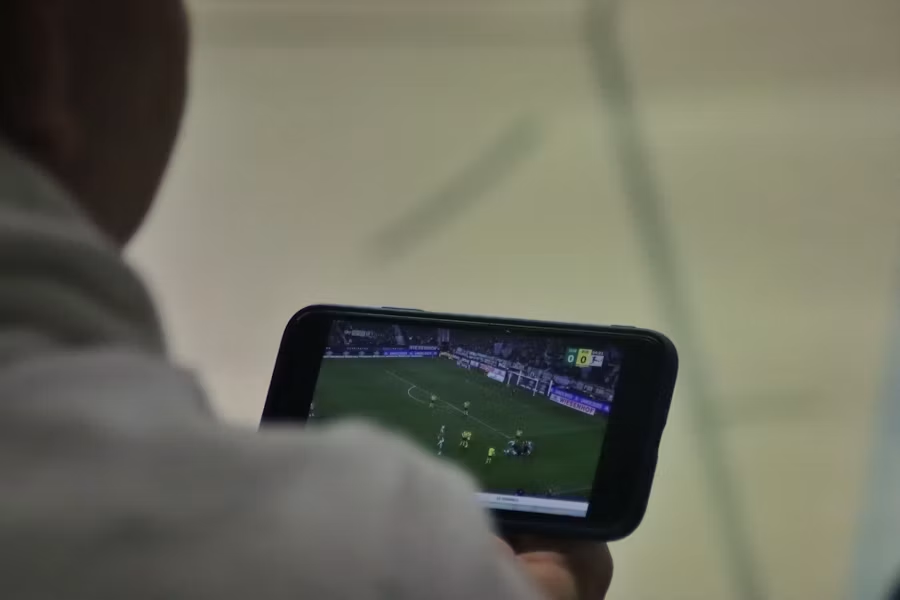
Game day no longer happens on one screen. A fan might watch the main event on television while using a phone to check another score, follow player statistics, message friends, or keep track of a fantasy lineup. Mobile technology has created a more connected experience around the action.
Betting apps have become another part of that digital game-day routine. They provide access to markets before play begins, respond to developments during the contest and allow bettors to follow outcomes as one game gives way to the next. This places betting alongside other second-screen activities rather than separating it from the wider game-day experience.


Betting Apps Bring the Pregame Build-Up Onto One Screen
The hours before a game are often filled with information. Starting lineups become clearer, injury updates arrive, and fans begin forming expectations about what might happen. A phone makes it possible to follow those developments while preparing for the event itself.
Betting markets can become part of that routine. Moneylines provide a price on either side winning, spreads introduce an expected margin, and totals focus on combined scoring. Player markets focus on individual performances such as passing yards, points, rebounds or other statistical outcomes.
Where mobile sports betting is legally available, that pregame routine can happen from a phone. Someone using the FanDuel betting app, for example, can browse available games and markets from a phone while following the day's schedule.
For bettors, the markets may shift attention toward particular outcomes or players once play begins. A close spread puts the scoring margin in focus, while a player prop directs attention toward a particular quarterback, scorer or other individual performance.
Live Markets Make the Betting Experience Move With the Game
Kickoff or tipoff changes the role a betting app can play. Pregame markets reflect expectations formed before the action begins, while live markets update as new game information becomes available.
Consider an NFL favorite that concedes two early touchdowns. The original expectations haven't disappeared, but the circumstances are now different. Time has come off the clock, the score has changed, and each team may need to adjust its approach. Available live markets may be repriced as the game situation changes.
Basketball makes the changing nature of live betting particularly easy to see. A team can build a substantial lead and lose much of it within a few minutes. The score, time remaining, and flow of the game continually provide new information as the contest develops.
This makes following a wager during the game different from simply waiting for a final score. Bettors can follow how available markets change alongside the action as new game information emerges. Live betting adds another interactive element to a game already unfolding in real time.
Real-Time Information Creates a Second-Screen Experience
The phone does not have to replace the television to become important on game day. Often it works beside it. While the main game occupies the larger screen, a fan can use a mobile device to explore information that the broadcast may not show at that moment.
Statistics are an obvious example. A viewer might want to check a quarterback's passing total, a basketball player's rebounds, or how much time remains in another game. That information can provide useful context without requiring the fan to leave the event they are watching.
The second screen becomes even more useful when several games overlap. An NFL Sunday features numerous matchups, while an NBA evening often includes games across several time zones. Few people can actively watch everything, but mobile access makes the wider schedule easier to follow.
That changes the rhythm of game day. The broadcast remains the main attraction, while the phone fills in details around it. Fans can move between the action in front of them and the wider sporting picture whenever something elsewhere deserves their attention.
Notifications Keep Fans Connected When Attention Moves Elsewhere
Even committed sports fans rarely spend an entire game day watching every minute without interruption. People move around, talk to others, prepare food, travel, or simply step away from the screen. Mobile alerts provide updates during those gaps without requiring constant attention to the screen.
Depending on the app and individual settings, notifications may highlight game starts, scores, results, or other relevant activity. Instead of repeatedly opening an app to see whether something happened, the fan can receive an update and decide whether it deserves closer attention.
That can be particularly useful when several events matter at the same time. Someone watching football may also be interested in a basketball game starting later or another matchup affecting their wider game-day interests. Alerts make those overlapping schedules easier to manage.
There is still value in choosing notifications carefully. Too many alerts can compete with the game someone actually wants to watch. Selecting the information that matters most allows the phone to complement the main event rather than constantly pulling attention away from it.
Mobile Access Extends Game Day Beyond the Final Whistle
The final whistle or buzzer doesn't necessarily end a fan's engagement with the event. There may be final statistics to check, highlights to revisit, results elsewhere to catch up on, and another game beginning shortly afterward.
For bettors, this is also when wagers reach their outcome. A spread may come down to a late score, a total can remain undecided until the closing moments, and a player market might depend on one final possession. Checking the settled result becomes a natural final step after following the selection through the game.
On busy sports weekends, that ending can quickly become another beginning. An afternoon football game might lead into an evening matchup, while fans following several leagues can move between sports throughout the day. Mobile access helps connect those separate events into one broader experience.
That continuity is one reason betting apps are part of the broader game-day routine before, during and after an event. They can be present during the anticipation beforehand, remain relevant while the contest changes, and provide a way to follow the outcome afterward without requiring a separate device or routine.
Keeping the App Part of the Entertainment
The modern game-day experience stretches well beyond simply watching the broadcast. Phones have become companion screens for scores, statistics, updates, conversations, and betting, allowing fans to choose how closely they want to follow different parts of the sporting day.
A betting app adds another interactive layer to that experience while also making betting opportunities more readily available throughout the day. Setting a comfortable betting budget and treating each wager as part of the entertainment can help keep the focus where it belongs: enjoying the games, following the moments that matter, and seeing how the action develops.