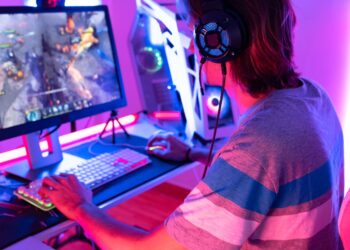


Gaming is great. Nobody is going to tell you otherwise here. But if you have ever looked up from your screen and realized four hours passed without you noticing, you know the feeling. Time disappears. Meals get skipped. Sleep gets pushed back. It starts small and then one day your whole schedule is built around your next session.
Most people who game a lot are not addicted. They just have not built habits that keep everything else on track. The good news is that fixing this does not mean gaming less. It means gaming smarter.


Here is what actually helps.
Signs You Are Playing Too Much
The first sign is losing track of time every single session. One game turns into six. You planned to stop at 10pm and suddenly it is 2am. This happens to everyone occasionally. If it happens every day, that is worth paying attention to.
The second sign is skipping things you need to do. Skipping meals because you do not want to pause. Ignoring homework until the last possible minute. Canceling plans with friends because you would rather stay home and play. One or two times is normal. A pattern is different.
Physical signs matter too. If your eyes hurt constantly, your back aches from sitting, and you feel tired even after sleeping, your body is telling you something. Screens late at night wreck your sleep quality even when you get enough hours in bed. You wake up tired because the sleep was shallow.
The social sign is the sneaky one. If gaming has become the main thing you talk about and real-life friendships are fading because you are never available, that is worth noticing. Gaming communities are real communities. But they should add to your life outside, not replace it.
None of this means stop playing. It means check in with yourself honestly and make small adjustments before it becomes a bigger problem.
Simple Routines That Help
Set a hard stop time and stick to it. Pick a time each night where you quit, no exceptions. 10pm, 11pm, whatever fits your life. The trick is making it non-negotiable. Not “I’ll stop soon” but “I stop at 10.” Your brain adjusts to this faster than you think.
Eat before you play, not during. Eating while gaming means you pay no attention to your food, eat too fast, and feel bad afterward. Ten minutes away from the screen to eat a real meal is not going to cost you anything. Your sessions will actually feel better when you are not hungry.
Get outside once a day. It does not need to be a long walk or a workout. Twenty minutes outside in daylight makes a real difference to your energy and your mood. Natural light resets your body clock. People who game all day in a dark room and then wonder why they feel flat are missing something simple.
Put your phone and your computer in another room when you sleep. This one is hard but it is the single biggest change most gamers can make. The blue light from screens signals to your brain that it is daytime. Your brain fights sleep. You stay up later. You wake up groggy. Moving devices out of the bedroom fixes this faster than anything else.
Use the time between games productively. Queues, loading screens, waiting for friends to join. These moments add up to a lot of dead time each session. Use them to stretch, drink water, reply to a message, or just stand up for thirty seconds. Small breaks protect your body over long sessions.
How Top Players Manage Their Time
Professional esports players take this seriously because their career depends on it. Burnout ends careers fast. The best players in the world treat their schedule like an athlete treats training.
Most top players cap their practice sessions at six to eight hours maximum. After that performance drops, mistakes increase, and you reinforce bad habits instead of improving. Shorter focused sessions beat marathon sessions almost every time.
They also protect sleep aggressively. Eight hours is the standard recommendation across most esports organizations. Sleep is when your brain consolidates what you practiced. Skipping sleep to play more is one of the worst trades you can make if you actually want to improve.
Recovery time is built into the schedule, not treated as wasted time. Days away from the game give your mind space to process and reset. Players who take one day off a week consistently perform better than players who grind every single day without breaks.

Mental health support is now normal in professional esports. Teams have coaches and psychologists on staff because the pressure and the hours are real. For regular players the equivalent is talking to people around you when things feel off. Do not grind through a bad patch alone.
Platforms like kokobetlogin.net apply the same kind of thinking to responsible gaming. Knowing your limits, setting boundaries, and staying in control makes the experience better, not worse.
Gaming is worth protecting. Keep it fun by keeping everything else in your life working too.