

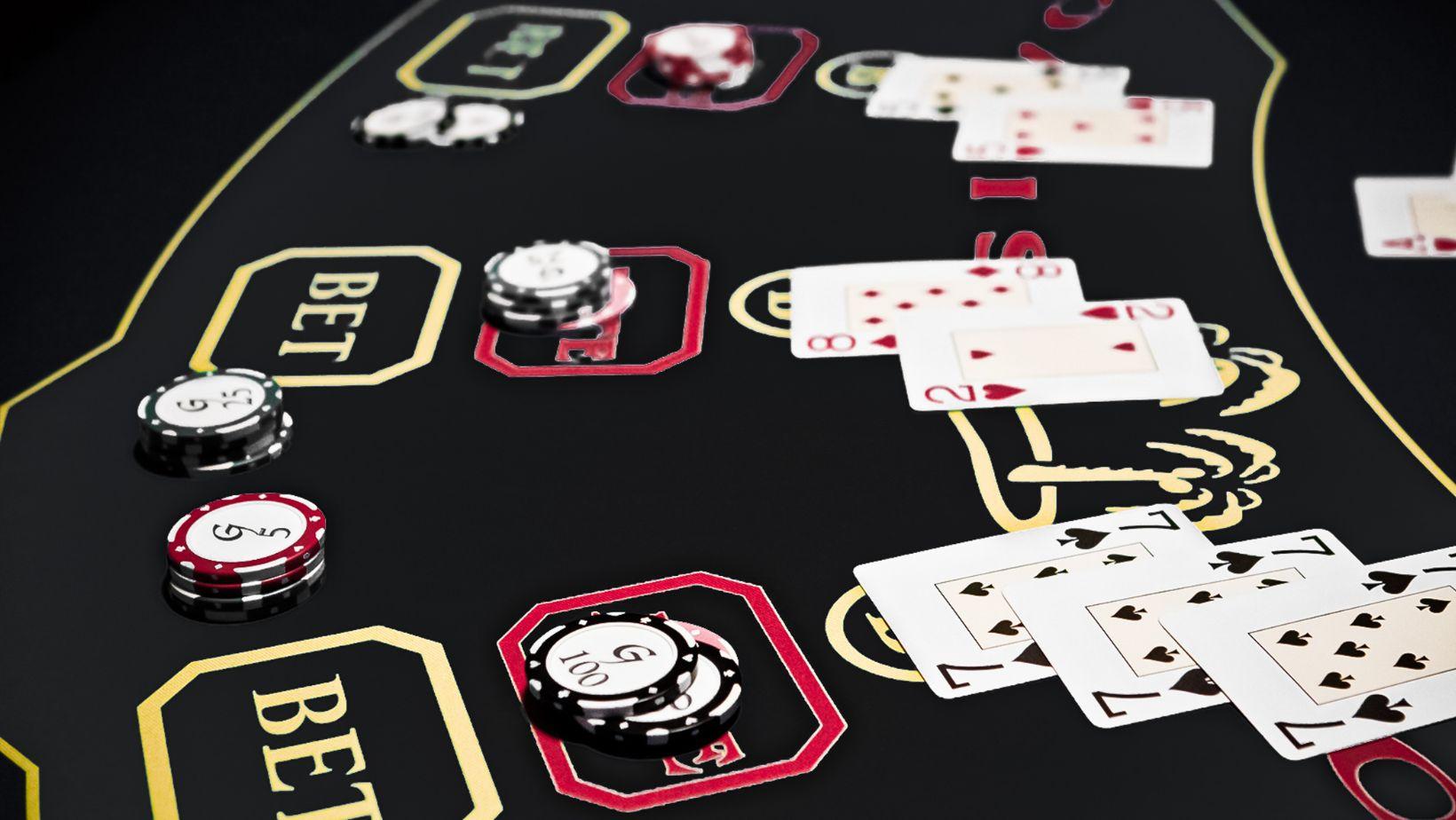
Card game players already understand more about casino table games than they may realise. If you’ve spent time with poker, rummy, bridge, blackjack-style home games, trick-taking games, or competitive card rooms, you already know how much a hand can change because of timing, patience, probability, and the choices other players make. Casino table games sharpen those instincts in a different setting.
That’s why a Singapore casino guide can be useful for players who already enjoy cards. Table games take familiar ideas and make them more structured. The rules are clearer, the pace is tighter, and each decision sits inside a visible framework. A casual card game may teach feel. Casino table games teach discipline, rhythm, and respect for the rules behind every outcome.


Table Games Teach Rule Awareness
Card players often learn through habit. You play with friends, pick up house rules, and slowly understand how a game works. Casino table games are different. The rules have to be clear from the start because every action follows a formal sequence.
That’s one of the first lessons card game players can take from them. Before you think about strategy, you need to understand the structure. In blackjack, the order of play matters. In baccarat, the drawing rules are fixed. In poker-style casino games, hand rankings and payout rules define the whole experience.
This kind of rule awareness makes any card player sharper. It trains you to ask better questions. What choices do I actually control? What happens automatically? When does the hand end? What changes the result? The stronger your rule awareness, the less likely you are to confuse instinct with understanding.
Probability Becomes Easier to Respect
Card players often talk about luck, but casino table games make probability harder to ignore. Every hand, card, draw, and reveal sits inside a mathematical structure. You may not need to calculate everything in real time, but you do need to respect the fact that the numbers are always there.
OpenStax, a peer-reviewed educational publisher, explains that the expected value of a discrete random variable is “often referred to as the long-term average or mean.” That idea matters because table games aren’t only about one hand. They’re about repeated situations. A single result can feel dramatic, but the long-term pattern is shaped by the rules, odds, and payouts.
This is a useful lesson for card players. A bad result doesn’t always mean the decision was wrong. A good result doesn’t always mean the decision was smart. Table games train you to separate outcome from process. That’s one of the most valuable skills any card player can learn.
Pace Changes the Way You Think
Home card games can drift. Players talk, pause, rethink, joke, and take their time. Casino table games usually move with more rhythm. The dealer guides the action, the rules keep the hand moving, and players have to make decisions inside that flow.
That pace teaches control. You can’t treat every hand like a long debate. You need to know the basic decision before the moment arrives. You need to stay calm when the game moves quickly. You need to avoid changing your mind because the table suddenly feels tense.
For card game players, that’s a major upgrade. Faster structure exposes weak habits. If you don’t know why you’re making a move, the pace makes that obvious. If you do know, the rhythm can help you become more consistent.
Position and Timing Matter
Many card games reward timing. You wait, observe, play, pass, raise, fold, draw, or hold depending on the situation. Casino table games make that timing feel more formal.
MIT OpenCourseWare’s Poker Theory and Analytics course describes one strategy lecture as covering “Position, pot odds, implied odd, fold equity, and semi-bluffing strategies.” The wording comes from poker, but the wider lesson applies to card players generally. Decisions don’t exist in isolation. They depend on where you are in the action, what information you have, and how much the situation is worth.
Even in games where you’re not competing directly against other players, timing still matters. Choosing when to act, when to stop, when to change tables, or when to stay with a familiar game can affect the whole session. Table games teach players to think in moments, not just hands.
Table Etiquette Builds Better Habits
Card game players can also learn from casino table etiquette. A table game has a shared rhythm. You wait your turn, follow the dealer’s instructions, avoid interrupting the action, and keep the game clear for everyone.
That may sound basic, but it changes how people play. Good etiquette reduces confusion. It also helps players stay focused. When everyone understands the pace and order of the game, the table feels cleaner.
This is useful even outside a casino setting. A card player who learns table etiquette tends to become easier to play with. They handle wins, losses, delays, and disagreements better. The lesson here isn’t only about manners. It’s about keeping the game smooth.
Casino Games Teach Decision Limits
One of the biggest lessons from casino table games is that not every moment gives you control. Some card players overestimate how much influence they have on a hand. They see patterns where there may only be variance, or they treat every result as something they could have changed.
Table games make decision limits clearer. In baccarat, the player doesn’t decide how cards are drawn. In blackjack, there are choices, but the dealer’s rules still shape the hand. In casino poker variants, some decisions matter a lot, while others are already fixed by the structure.
This helps card players think more cleanly. The aim isn’t to control everything. The aim is to understand what can be controlled and make those choices better. That’s a calmer and smarter way to play.
Variance Stops Feeling Personal
Every card player knows the feeling of doing the right thing and still losing the hand. Casino table games make that experience more visible because outcomes can shift quickly. A strong starting position can fall apart. A weak position can recover. One card can change the mood of the table.
That’s variance. Card players who understand it become harder to shake. They don’t turn every unlucky result into a story. They don’t assume one good hand proves anything. They learn to watch the pattern without letting one moment take over the session.
This is where table games can make casual card players more mature. Variance teaches patience. It teaches emotional distance. It teaches you to judge your play over more than one outcome.
Simpler Games Can Still Teach Deep Lessons
Some casino table games look simple, but simplicity doesn’t mean there’s nothing to learn. A straightforward game can teach pacing, attention, bankroll control, and rule discipline. A more complex card game can teach reading situations, comparing options, and making decisions with incomplete information.
The best card players don’t dismiss simple games too quickly. They look at what the game is training. Is it testing patience? Is it testing timing? Is it asking for clear rule knowledge? Is it showing how probability works across repeated rounds?
That mindset makes the player stronger. Every table game becomes a small lesson in structure.
The Real Lesson Is Discipline
Card game players can learn a lot from casino table games because those games strip decisions down to their essentials. The rules are visible. The pace is steady. The outcomes are clear. The limits of control are easier to see.
That doesn’t remove the fun. It gives the fun a sharper edge. When a player understands the structure, every round becomes easier to read. The cards stop feeling like pure chaos and start revealing the machinery underneath.
That’s the real lesson table games offer. They teach players to respect timing, probability, etiquette, variance, and decision limits without draining the excitement from the hand. A good card player enjoys the reveal. A sharper card player understands the road that led there. And once you can see that road, every table feels different.