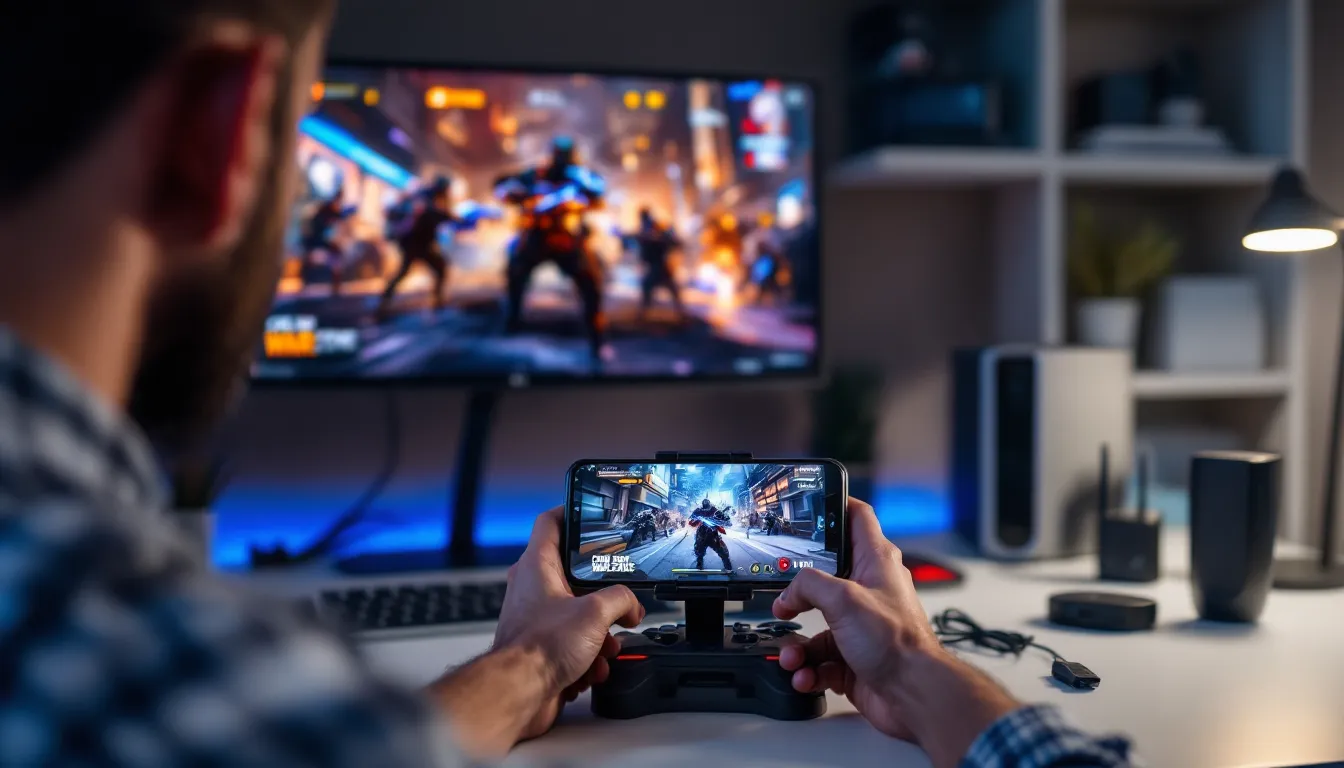

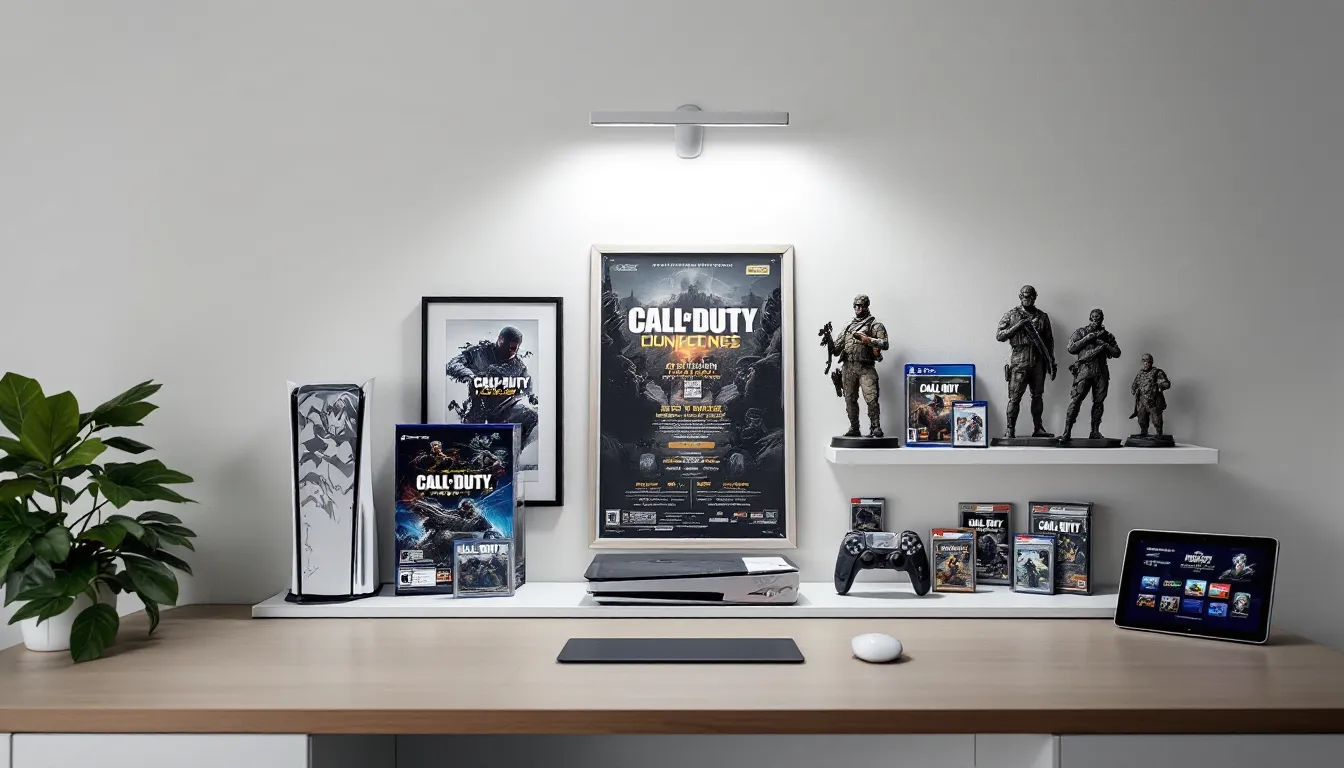
The Call of Duty franchise has been dominating gaming culture for nearly two decades, and with that longevity comes a thriving collector’s market. Whether you’re a veteran who picked up the original 2003 release or someone who jumped in during the modern era, there’s something uniquely satisfying about owning a piece of gaming history. Call of Duty collectibles range from rare action figures and limited edition consoles to signed memorabilia and exclusive in-game cosmetics, and the market value of certain items has skyrocketed. For collectors, hunters, and enthusiasts, understanding what’s worth pursuing, where to find pieces, and how to preserve them separates a casual hobbyist from a serious collector. This guide walks you through the landscape of Call of Duty collectibles in 2026, helping you make informed decisions about what to hunt, where to look, and how to build a collection that holds both personal and monetary value.


Key Takeaways
- Call of Duty collectibles span physical items like action figures and consoles to digital cosmetics, with rare early-release memorabilia from 2005–2010 commanding the highest prices and appreciation potential.
- Condition, authentication, and scarcity determine collectible value—mint-in-box figures can sell for 5–10 times the price of loose versions, and third-party services like PSA and JSA are essential for verifying signed items.
- Build a themed collection strategy focused on a specific game title, era, or character to create coherence and stronger long-term value appreciation compared to randomly acquired pieces.
- Avoid common pitfalls like overpaying for condition hype, purchasing counterfeits, ignoring platform specifics, and trading on unregulated platforms without escrow protection.
- Proper storage in UV-protected cases at stable temperature and humidity levels, combined with detailed documentation and specialized collectibles insurance, protects your collection’s condition and resale value.
- Start with a realistic monthly budget of $100–$300, hunt undervalued eras, and engage with collector communities to access better deals and authentication knowledge before committing to high-ticket purchases.
What Are Call of Duty Collectibles?
Call of Duty collectibles encompass any physical or digital item tied to the franchise that holds value beyond its original purpose. Unlike generic merchandise, collectibles are specifically sought after because they’re rare, limited in production, or represent a meaningful moment in gaming history. These items span decades of releases, from early 2000s memorabilia to cutting-edge digital cosmetics released in 2025 and 2026.
What makes something collectible versus just “merchandise” comes down to scarcity, condition, and demand. A standard action figure from a mass-produced line might cost $15. But an original, unopened figure from 2007’s Call of Duty 4: Modern Warfare, mint in box, can fetch hundreds. Similarly, a controller bundled with a PS5 launch edition Call of Duty game holds more value than a generic controller because it’s tied to a specific cultural moment.
The collectibles market isn’t just about nostalgia either. Serious collectors treat it like any other investment, tracking condition grades, market trends, and rarity tiers. Online communities dedicated to Call of Duty collectibles have grown exponentially, with forums, Discord servers, and social media groups helping collectors authenticate items, discover new pieces, and negotiate fair prices. Understanding the ecosystem is the first step to building something worth bragging about (and potentially worth money).
Types of Call of Duty Collectibles Worth Hunting
The world of Call of Duty collectibles is surprisingly diverse. There’s something for every budget and interest. Here’s what collectors actively pursue in 2026.
Physical Action Figures and Statues
Action figures are the backbone of many collections. McFarlane Toys produced some of the most sought-after Call of Duty figures, with early series (2008–2010) commanding premium prices today. Unopened figures in near-mint condition can sell for $200–$500 each, especially limited variants like chase figures with alternate paint jobs or accessories.
High-end statues from companies like Sideshow Collectibles represent the luxury end of the market. These are detailed, museum-quality pieces, think 1:6 scale soldier figures with intricate gear and weaponry. A single statue can cost $300–$800 new, but rarer discontinued lines appreciate significantly.
Condition matters immensely. A loose figure (removed from packaging) typically sells for 30–50% of what a mint-in-box version fetches. Collectors often photograph figures under strong lighting to showcase paint quality, joint integrity, and any defects.
Limited Edition Gaming Consoles and Controllers
Console makers love exclusive Call of Duty bundles. The PS5 Call of Duty: Black Ops Cold War bundle from 2020 included a custom console design and has become a collector’s item. Similarly, Xbox Series X bundles with Warzone branding and custom controllers create instant collectible value.
Standalone controllers with military-inspired paint schemes or operator-themed designs (like Ghost or Captain Price variants) are highly sought. Limited production runs of 5,000–10,000 units create natural scarcity, driving secondary market premiums of 20–40% above retail.
The key here: bundles and official hardware appreciate better than third-party peripherals. Official Microsoft or Sony branding matters significantly for value retention.
Trading Cards and Promotional Materials
Call of Duty trading cards, both official releases and convention exclusives, have become collectable in their own right. Panini and other card manufacturers released limited print runs featuring operators, weapons, and key game moments. First editions and rare pulls (holographic or autographed variants) can be worth $50–$300+ per card.
Promo materials, posters, stickers, lithographs, and event exclusives, often come from gaming conventions (E3, Gamescom, gaming expos). A signed poster from a franchise celebrity or limited-run convention exclusive might cost $100–$400. Digital versions of trading cards (NFT-style collectibles) exist but are more volatile and less established in value.
In-Game Cosmetics and Digital Collectibles
Operator skins, weapon blueprints, and emotes tied to limited battle passes or seasonal events hold collectible value. When a cosmetic rotates out of the shop permanently, demand for accounts or digital receipts proving ownership can spike. Rare Warzone cosmetics (like early season 1 skins) can make an account worth thousands if it holds a full collection of exclusive items.
Screenshots, videos, or accounts proving ownership of ultra-rare cosmetics have become a form of digital collectibility. Some collectors even buy entire accounts just to own specific operator skins or weapon finishes. This market is less regulated than physical collectibles, so due diligence is crucial.
High-Value Call of Duty Collectibles to Prioritize
Not all collectibles are created equal. If you’re budget-conscious or looking to maximize value, focus on these tiers.
Rare Early-Release Memorabilia
Memorabillia from Call of Duty 4: Modern Warfare (2007) and Call of Duty 2 (2005) represents the early prestige items. Limited edition steelbook cases, exclusive pre-order figures, and developer-signed items from this era are rarer and typically more expensive than recent releases. A sealed copy of Modern Warfare in pristine condition can sell for $200–$400, depending on edition.
Early console bundles, like the original Xbox 360 Call of Duty 2 launch bundle, are scarce because fewer people held onto them unopened. Expect prices of $500+ for mint examples. The rarity compounds as time passes: fewer of these survive in good condition, naturally driving prices up.
Promo items from pre-release marketing campaigns (2005–2008) are particularly valuable. Convention-exclusive merchandise, retailer pre-order bonuses that were never mass-produced, and limited-print promotional artwork command premium prices because they were never intended to have long shelf lives.
Signed and Authenticated Items
Items signed by franchise creators (David Vonderhaar, Jason Bourne, etc.), competitive pro players, or influencers carry significant premiums. A controller signed by a famous streamer or pro esports player can fetch $300–$1,000+ at auction, especially if authenticated by a third-party service like PSA or JSA (James Spence Authentication).
Authentication is non-negotiable for signed items. PSA and JSA provide certificates of authenticity that collectors trust, and without them, a “signed” item loses credibility and resale value. Always ask for COA (Certificate of Authenticity) when purchasing high-ticket signed memorabilia.
Framed and authenticated print signatures (like posters signed by voice actors or developers) typically cost $150–$500. These are lower-risk than individual items because the framing and third-party seal add legitimacy.
Limited Run Merchandise and Bundles
Official merchandise released in ultra-limited quantities, like the 500-unit Operator Bundle from a specific convention or 1,000-unit cosmetic pack from a battle pass, appreciates quickly. When production numbers are publicly stated as “limited,” collectors know there’s a ceiling on supply.
Collaborative releases (Call of Duty x luxury brand partnerships, like Operator skins in partnership with real-world tactical gear makers) create artificial scarcity and collector appeal. A limited-edition tactical gear bundle released in partnership with a specific brand in 2024 or 2025 might already be worth 50–100% more than its retail price if it’s sold out.
Bundle value depends on component rarity. If a cosmetic bundle included three operator skins, two weapon blueprints, and a calling card, the value compounds if any single item is impossible to obtain separately now.
Where to Find and Buy Call of Duty Collectibles
Finding quality collectibles means knowing where to look and understanding the nuances of each marketplace.
Online Marketplaces and Retailers
EBay remains the largest marketplace for collectibles, with thousands of Call of Duty items listed daily. The advantage is volume and price transparency, you can see exactly what items sold for in the past 90 days. The disadvantage is inconsistent seller quality: some listings are accurate, others are deceptive. Always check seller ratings (95%+ positive reviews), ask for detailed photos, and use eBay’s buyer protection.
Specialized collectibles retailers like Mercari, Facebook Marketplace, and dedicated gaming forums host serious collectors. Mercari has gained traction for collectibles trading, with a younger demographic and faster transactions. Local Facebook groups focused on gaming collectibles often have reasonable prices because sellers aren’t paying marketplace fees: they’re motivated by quick, community-focused sales.
Amazon occasionally lists collectible figures and memorabilia, but quality control is spotty. Newer or reissued items are usually reliable, but vintage collectibles on Amazon require extra vetting.
Secondary Market and Reseller Platforms
Specialized platforms like Whatnot (live auction marketplace) and heritage-style auction houses have exploded for collectibles. Whatnot live streams allow you to bid in real-time on sealed figures, rare cosmetics, and memorabilia, creating an auction-house feel from your couch.
Dedicated collectibles grading services (like CGC Cards, PSA) have secondary marketplaces where pre-graded, authenticated items are listed. A CGC-graded vintage collectible figure carries a premium because the grade is third-party verified. Expect to pay 20–40% more for graded items, but you’re paying for certainty.
Limited-edition cosmetic trading happens on private Discord servers and Reddit communities. The market here is less regulated but sometimes offers better prices if you know where to look. Always use trusted middlemen services (like Gameflip’s escrow system) when trading accounts or digital items to avoid scams.
Gaming Events and Community Collectors
Major gaming events (PAX, Gamescom, EVO) often have vendor booths and collector meetups. Buying directly from vendors at events sometimes yields better negotiation opportunities than online. Plus, you can inspect items in person before purchasing. Exclusive event merchandise, limited prints, signed items, commemorative figures, are often released at these events in tiny quantities.
Local gaming communities and retro gaming shops often host collector meetups or have bulletin boards for trading. Building relationships with local shop owners can give you first dibs on rare inventory before items hit online marketplaces. Shop owners often have backroom stock of collectibles that aren’t listed publicly, especially if they know you’re a serious buyer.
Community Discord servers dedicated to Call of Duty collectors have become incredibly valuable. Members often message each other about upcoming listings, negotiate bulk deals, and share authentication tips. Getting involved in these communities before you start serious hunting gives you an edge on the best deals.
How to Authentically Value and Preserve Your Collection
Owning collectibles is one thing. Preserving them and understanding their true value is another.
Authentication and Verification Methods
For physical items, authentication often requires hands-on inspection or third-party grading. Check for manufacturer markings, packaging details, and production codes. Call of Duty figures from McFarlane, for example, have specific mold lines and paint quality that separate genuine early releases from later reprints or counterfeits.
For high-value items (signed memorabilia, rare figures over $200), invest in third-party authentication. PSA, JSA, and CGC are industry standards. Their services cost $10–$100+ per item depending on tier, but for a $500+ collectible, the investment is worthwhile for resale confidence.
For digital cosmetics, ownership proof often comes down to account history and screenshots. Steam, PlayStation, and Xbox account databases record purchase history and unlock dates. If you’re buying an account with rare cosmetics, request screenshots of the cosmetic unlock date and cross-reference with patch notes to confirm the item was actually available during that period.
Websites like PriceCharting (for vintage games and collectibles) and specific gaming valuation communities maintain historical price data. Comparing multiple sources gives you a realistic sense of market value rather than relying on a single listing.
Proper Storage and Display Techniques
Mint condition collectibles require controlled environments. UV-protective glass display cases prevent fading and sun damage. Temperature and humidity should be stable, rapid fluctuations warp packaging and degrade paint. Aim for 60–70°F and 30–50% humidity.
For figures still in packaging, keep them upright or in their original position. Never lay sealed figures flat for extended periods: glue bonds can weaken and contents can shift. If you’re displaying out-of-box figures, use museum-quality acrylic display stands that don’t off-gas chemicals that damage paint or plastic.
For signed items, frame them with acid-free matting and UV-protective glass. Acidic materials yellow and deteriorate signatures over decades. Professional framing costs $100–$300 but protects a $500+ autographed item indefinitely.
Store loose figures and memorabilia in acid-free storage boxes, away from direct sunlight. Silica gel packets prevent moisture buildup in enclosed storage. Digital backups of photos showing condition at the time of purchase are invaluable for insurance claims if something happens.
Tracking Condition and Market Value
Use a spreadsheet or collection management app to track each item: description, purchase date, purchase price, current estimated value, and condition grade. Services like CollectorApp or Whatnot have built-in valuation tracking that pulls from recent sale data.
Condition grading follows industry standards: Mint (like new), Near Mint (minimal wear), Excellent (light wear), Very Good (moderate wear), Good (significant wear), Fair (heavy wear), Poor (heavily damaged). A single condition grade difference can swing value by 30–50%. Taking detailed photos in good lighting establishes baseline condition.
Monitor completed sales on eBay, Mercari, and specialized auction sites monthly to track price trends. Rare items from early 2000s have appreciated 5–10% annually on average, though the market fluctuates. Cosmetics and digital items are more volatile, with values fluctuating based on seasonal rotations and item rarity updates.
Insure valuable collections. Standard homeowner’s insurance often doesn’t cover collectibles separately. Specialized collectibles insurance (through providers like Collectibles Insurance Services) protects high-value items for reasonable premiums ($200–$500 annually for a $10,000+ collection).
Building a Themed Collection Strategy
Rather than grabbing random items, intentional collection themes build cohesion and often appreciate better.
Collecting by Game Title or Era
Some collectors focus exclusively on a single title, Modern Warfare (2019), Black Ops Cold War, or the original Modern Warfare 4 trilogy. This approach creates natural scarcity because you’re hunting a finite set of items tied to one game. A complete Modern Warfare (2019) collectibles set might include the season pass cosmetics, limited edition steelbook, official art book, and operator figures, maybe 20–30 total items.
Era-based collecting (focusing on 2005–2010 originals, or modern 2019–2026 releases) creates thematic coherence. Hunting early-era items tends to be more expensive upfront but appreciates faster because fewer items survive in good condition. Modern-era collecting is cheaper to start but has slower appreciation because production volumes were higher.
Documenting your collection by game creates a natural narrative. When you eventually sell or display it, the story, “Here’s everything from Modern Warfare’s launch era”, appeals to serious buyers.
Character and Operator-Focused Collections
Many collectors chase a single operator or character, Ghost, Captain Price, Soap MacTavish, Alex. This approach yields action figures, cosmetics, art prints, and promotional materials all tied to one character. A Ghost collection might include the original figure, the Operator skin variants from multiple games, Ghost-themed weapon blueprints, and promotional artwork.
Character-focused collecting is less common, making it feel unique. It’s also often cheaper because you’re not competing with everyone hunting the same thing. If you love a specific character’s design or story, this approach keeps your collection emotionally resonant, not just financially motivated.
Merge this with edition collecting, maybe you hunt Ghost cosmetics only from Black Ops Cold War, or only Ghost figures from McFarlane’s original runs. These micro-themes create high specificity and appeal to niche collectors.
Budget-Friendly Collecting Tips
Start with loose figures rather than mint-in-box. A loose McFarlane figure in very good condition costs $50–$100 instead of $300–$500. You still own the piece, display it, and enjoy it: the condition-based price difference subsidizes newer items for your collection.
Hunt end-of-season cosmetic sales. Digital cosmetics sometimes drop 30–50% in price as a season closes or a new one launches. Setting price alerts on cosmetic marketplaces means you catch deals before they’re gone.
Focus on undervalued eras. While everyone hunts 2007–2010 memorabilia, earlier or more recent releases sometimes sit underpriced. A 2015 collectible might be cheaper than a 2008 version simply because demand hasn’t peaked. Patient collectors who buy undervalued eras often see appreciation as the collecting community “rediscovers” that era.
Build relationships with local shop owners and online communities. Tips on upcoming restocks, first looks at new listings, and negotiation flexibility often come from being part of the community rather than just transacting. Buying two cheaper items monthly compounds faster than buying one expensive piece, and you enjoy the hunt more.
Set a realistic budget. A collection-building hobby should be sustainable. Allocating $100–$300 monthly for a few years builds a respectable collection without financial strain. Avoid FOMO (fear of missing out), the next rare listing always comes around.
Common Pitfalls and How to Avoid Them
Even experienced collectors stumble. Here’s what to watch for.
Overpaying for condition hype. Don’t assume mint-in-box always justifies the price premium. For items you actually want to display or use, a very good condition piece offers 80% of the visual appeal for 40% of the cost. Mint grading is most important for investment-focused collecting or if you plan to resell soon.
Buying fakes and counterfeits. Counterfeit figures, signed memorabilia, and even digital accounts flood secondary markets. Always request detailed photos under strong lighting. Compare to official product images. For signed items, demand certificates of authenticity from reputable services (PSA, JSA, or official franchise memorabilia authenticators). If a deal seems too good to true, it probably is.
Ignoring platform and edition specifics. A PlayStation exclusive cosmetic skin holds different value than a universal one. A PS5 bundle is more sought than a PS4 version of the same game. Console edition variants (standard vs. ultimate vs. collector’s) have different cosmetic inclusions. Missing a single cosmetic or using a wrong console version for a cosmetic comparison throws off your valuation entirely.
Storing items carelessly. Exposure to sunlight, humidity fluctuations, or poor handling degrades value rapidly. What costs $400 in near-mint condition becomes a $100 item if water damaged or faded. Invest in proper storage early, it’s cheaper than watching your collection deteriorate.
Chasing every new release. Limited edition drops happen constantly. Buying every new cosmetic or figurine quickly becomes expensive and dilutes your collection’s focus. Be selective. Buy items that fit your theme or genuinely excite you, not just because they’re limited.
Neglecting documentation. Not photographing your collection, recording serial numbers, or tracking purchases makes insurance claims and authenticity verification impossible. Document everything at purchase, especially high-value items.
Trading on unregulated platforms without escrow. Never send money or account credentials without using a trusted middleman service. Too many scams happen on private Discord trades. Use Gameflip, official marketplace escrow, or in-person meetups for security.
Conclusion
Building a Call of Duty collectibles collection is equal parts hobby, investment, and passion project. Whether you’re hunting rare figures from the early 2000s, chasing limited edition cosmetics from modern seasons, or assembling a themed collection around your favorite operator, the landscape in 2026 offers more opportunities than ever. The Call of Duty Archives contain years of game history to explore for collectible inspiration.
Success in collecting requires three things: clarity on what you’re hunting and why, knowledge of where to find items and how to value them fairly, and discipline in preserving what you own. Start with a realistic budget and theme. Research comparable sales before making purchases. Invest in proper authentication for high-value items and storage for long-term appreciation. Connect with communities of fellow collectors, they’ll accelerate your learning and often lead you to opportunities you’d never find alone.
The Call of Duty franchise isn’t going anywhere, which means collectibles will continue to appreciate, especially rare items tied to iconic moments and early releases. Whether you’re collecting for pure enjoyment or as a long-term investment, the time to start is now. Ten years from now, the 2026 cosmetics and bundles you can grab today will be the “rare early releases” that new collectors hunt.