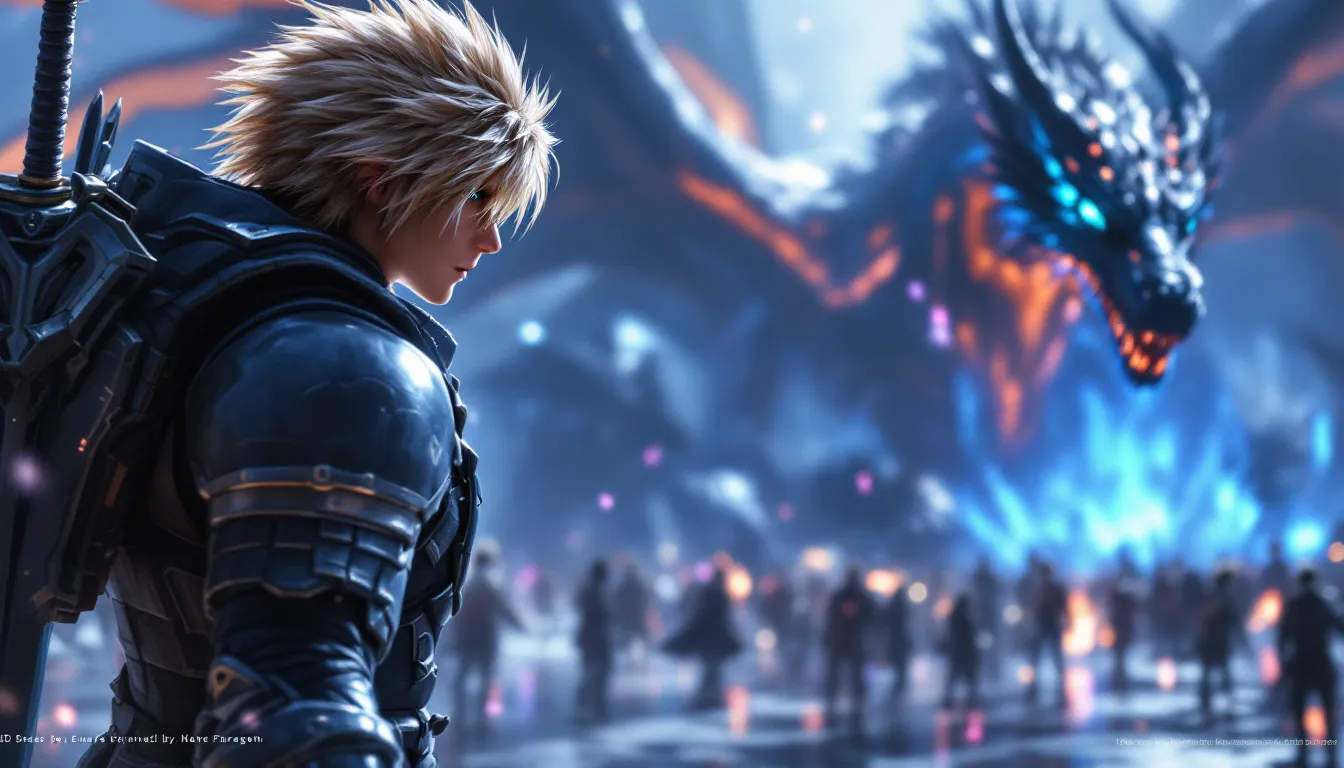

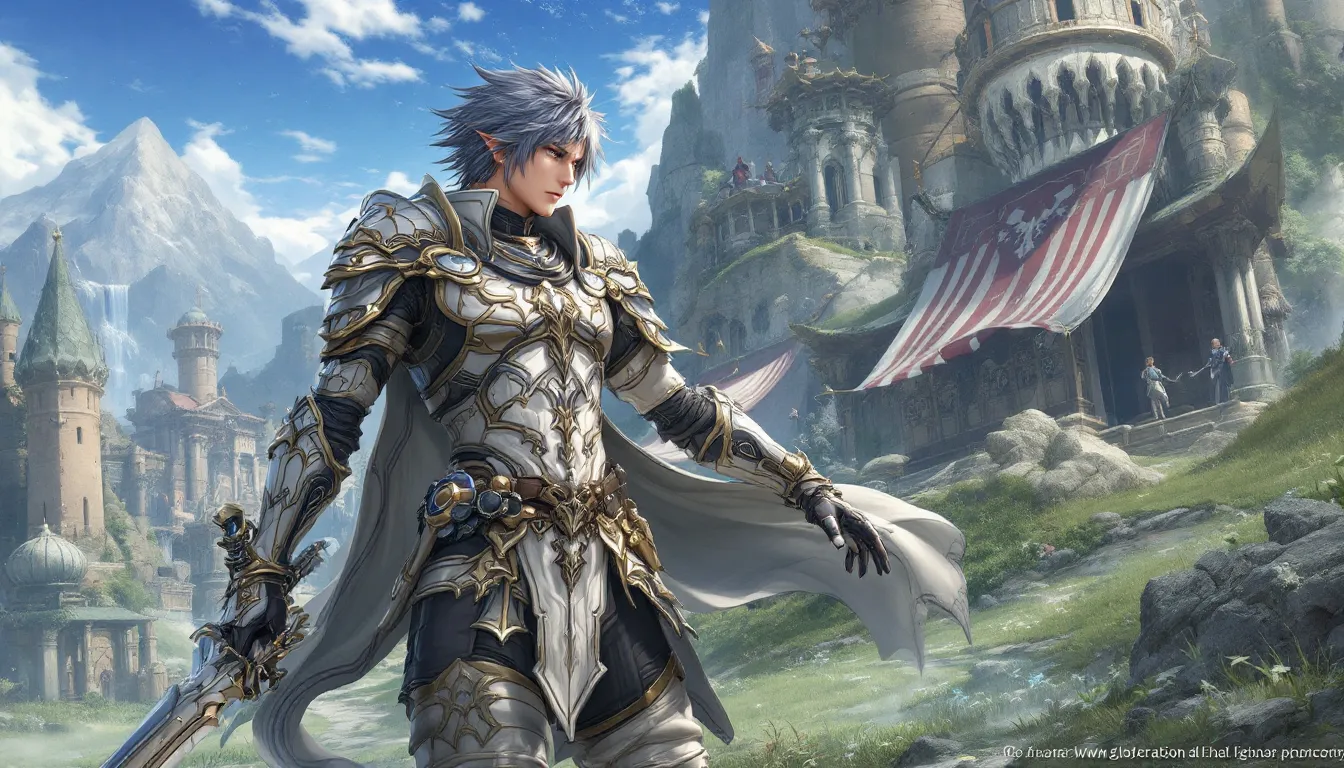
Final Fantasy 14 stands as one of gaming‘s most remarkable comeback stories. What started as a catastrophic launch in 2010 transformed into a cultural phenomenon that redefined what MMORPGs could be. Nearly two decades into its lifespan, FFXIV continues to attract millions of players across PC, PlayStation 5, and PlayStation 4. But here’s the real question: is it still worth jumping into in 2026, or has the genre shifted past this titan? This review breaks down everything you need to know about Square Enix’s juggernaut, from its sprawling narrative to its intricate job system, its tight-knit community, and yes, the grinding that’ll consume your free time. Whether you’re a seasonal player or considering your first venture into Eorzea, we’ll give you the unfiltered truth about what makes FFXIV tick and where it falls short.


Key Takeaways
- Final Fantasy 14’s story-driven design and expansions like Shadowbringers offer some of gaming’s best narrative experiences, making it exceptional for players who prioritize compelling storytelling in an MMO.
- The job system allows you to play all 20 jobs on a single character by swapping weapons, eliminating the need for alt characters and making Final Fantasy 14 highly accessible for new and veteran players alike.
- FFXIV respects your time with no mandatory PvP, no pay-to-win mechanics, and optional hardcore content, allowing you to engage through raids, roleplay, housing decoration, or casual gameplay without pressure.
- The community is welcoming and non-toxic, with robust free companies (guilds) and established roleplay servers that create genuine social experiences beyond typical MMO mechanics.
- A generous free trial covering the base game and first expansion up to level 60 lets you test whether Final Fantasy 14’s PvE-focused design works for you before committing to the monthly subscription.
- While the engine shows its age graphically and housing is scarce, the game’s consistent content patches every 3–4 months and stable performance make it the best narrative-driven MMO option in 2026.
What Is Final Fantasy 14?
Final Fantasy 14 is a massively multiplayer online role-playing game (MMORPG) developed and published by Square Enix. It’s available on PC, PlayStation 4, and PlayStation 5, with a free trial that lets you play through the base game (A Realm Reborn) and the first expansion (Heavensward) up to level 60 with minimal restrictions. Think of it as the perfect entry point to test the waters before committing.
Unlike many MMOs that emphasize PvP or competitive endgame content, FFXIV prioritizes storytelling, character progression, and accessible community play. The game world is Eorzea, a vibrant fantasy setting where you’ll take on the role of the “Warrior of Light,” a protagonist whose heroic journey forms the backbone of the entire narrative. From your first moment outside the starting city, you’re plugged into a cohesive, cinematic story experience that rivals single-player RPGs in terms of emotional resonance and pacing.
What really sets FFXIV apart is its philosophy: the game respects your time. There’s no mandatory PvP, no pay-to-win mechanics that gate actual content, and no pressure to min-max your character if that’s not your playstyle. You can roleplay in taverns, collect cosmetics, decorate your house, or push savage raids, all are valid ways to engage with the game.
The Journey From A Realm Reborn To Today
FFXIV’s past is essential to understanding its present. The original Final Fantasy 14 (2010) was a disaster. It launched to scathing reviews, massive player exodus, and near-universal mockery. Square Enix’s response? Complete overhaul.
In 2013, they released A Realm Reborn, an entirely rebuilt MMO with new graphics engine, redesigned combat, and a fresh story. It wasn’t just a patch, it was a resurrection. The in-game lore even acknowledged the old world’s destruction, making the reboot canon. This decision set the tone for everything that followed: transparency, accountability, and a genuine commitment to player feedback.
From there, FFXIV expanded through five major expansions:
- Heavensward (2015): Introduced flying, job system overhaul, and one of gaming’s best narrative arcs.
- Stormblood (2017): Political intrigue, expanded job roster, and the first truly challenging raid tier.
- Shadowbringers (2019): Often called the franchise’s peak, featuring a story that rewrote players’ understanding of the game’s lore. This expansion proved FFXIV wasn’t just a good MMO, it was narratively exceptional.
- Endwalker (2021): Concluded the 10-year narrative arc with emotional payoff and philosophical weight.
- Dawntrail (2023): The newest expansion, introducing new jobs, the new continent of Tural, and a fresh story beginning.
Each expansion shipped with new dungeons, raid tiers, and gameplay systems. Unlike some MMOs that toss old content into the vault, FFXIV keeps every raid tier relevant through item level scaling and reworked rewards. That means eight-year-old content still matters to both new and veteran players.
Gameplay And Combat Mechanics
Job System And Character Customization
FFXIV’s job system is one of the most celebrated in gaming. Unlike World of Warcraft’s class model, FFXIV lets you play all jobs on a single character by simply switching your weapon. Swap to a staff and you’re a Black Mage. Equip a sword and shield and you’re a Paladin. This eliminates the “alt tax”, no need to level multiple characters if you don’t want to.
Currently, FFXIV has 20 jobs spread across four roles:
- Tanks: Paladin, Warrior, Dark Knight, Gunbreaker
- Healers: White Mage, Scholar, Astrologian, Sage
- Melee DPS: Dragoon, Monk, Ninja, Samurai, Reaper, Viper
- Ranged DPS: Bard, Machinist, Dancer, Red Mage, Summoner, Black Mage
Each job has distinct rotations, resource management, and playstyle. A Dragoon’s positional requirements feel nothing like a Reaper’s combo-focused gameplay. Leveling a new job is painless thanks to role-based dungeons that award bonus experience, so you’re not grinding the same content repeatedly.
Combat itself uses a Global Cooldown (GCD) system with a 2.5-second base cast time. This slower pace compared to games like World of Warcraft means less frame-perfect mechanics and more emphasis on positioning, resource management, and team coordination. Savage raids and ultimate dungeons demand precision execution, but the skill floor is much lower than other hardcore MMOs, making progression feel achievable.
Dungeons, Raids, And Endgame Content
FFXIV’s endgame PvE content is tiered by difficulty:
- Dungeons (4 players): Story dungeons that introduce mechanics gently, designed to be cleared first-try by average players. New players and veterans run these for gear, currency, and roulettes (random queue multipliers).
- Alliance Raids (24 players): Three-boss encounters combining story progression with accessible mechanical complexity. These are the sweet spot for players wanting group challenge without hardcore commitment.
- Savage Raids (8 players): The DPS check tier. Savage requires team coordination, optimized builds, and mechanical execution. Each tier typically has four encounters released over a few months. Savage is where speedrunners and hardcore guilds (“Free Companies”) compete, with many players clearing within the first few weeks of each tier’s release.
- Ultimate Dungeons: The absolute endgame, unsynced, punishing encounters designed for the top 1% of players. These require flawless execution and are optional for 99% of the playerbase.
A crucial detail: Savage and Ultimate are completely optional. You can gear up through normal-mode raids, expert dungeons, and weekly currency caps, then just… stop. The game never forces you into hardmode content. This design philosophy is why FFXIV retains casual players while still supporting competitive guilds.
Patches land every few months with new story, dungeons, and raid tiers. The latest patch cycle (patch 7.x era, following Dawntrail) continues this cadence, so content drought isn’t a real issue.
Story And Narrative Excellence
The Complete Narrative Arc
Here’s where FFXIV separates itself from every other MMO: the story is the endgame for many players, not a chore to skip.
The narrative spans from A Realm Reborn (base game) through Endwalker as a continuous 10-year saga. You don’t skip cutscenes, you sit through them because they matter. Main Scenario Quests (MSQ) are mandatory story progression gates, and unlike other MMOs that treat story as optional filler, FFXIV treats each quest as a chapter in an epic novel.
The base game’s story is solid worldbuilding that introduces you to Eorzea, the political factions, and your role as the Warrior of Light. Heavensward elevates this with a grounded political narrative and explores themes of revolution and prejudice. But Shadowbringers, considered by many critics and players as the franchise’s peak, is where FFXIV becomes transcendent.
Shadowbringers (3.0-3.5) involves traveling to an alternate world called the First, where you discover that everything you believed about the game’s cosmology was incomplete. The expansion explores themes of faith, sacrifice, and whether heroism always has a cost. The final raid tier’s story beats rival Final Fantasy VII or FF6 in emotional weight. Players openly cried at the conclusion.
Endwalker (4.0-5.5) provides narrative closure to the 10-year saga. Without spoiling it, this expansion answers fundamental questions about the world’s nature and provides character payoff that justifies every sidequest you’ve done. It’s the culmination, a completion point for anyone who’s invested in the story.
Dawntrail (7.0+) begins a new saga, so it’s accessible even if you’re jumping in now. You’ll want to experience the prior expansions’ stories, but Dawntrail gives you a fresh story entry point.
Character Development And Emotional Impact
FFXIV’s supporting cast are genuinely likable. Characters like Alphinaud, Ysayle, and G’raha Tia aren’t cardboard questgivers, they grow, fail, and face real consequences. The game uses seasonal patches to develop relationships between story elements, so when something tragic happens, it’s not a cutscene shock, it’s the payoff of 50+ hours of character development.
The game also employs exceptional voice acting (in English, French, German, and Japanese), cinematics that rival AAA single-player games, and pacing that respects player engagement. Story beats land when they should, and the game doesn’t feel like it’s artificially padding playtime.
One standout: trust dungeons (story-relevant dungeons where NPCs fight alongside you) add weight to narrative moments. You’re not just watching a story, you’re fighting through it with characters you’ve grown to care about. It’s a brilliant design choice that other MMOs have started copying.
Community And Social Features
Free Companies And Group Content
Free Companies are FFXIV’s version of guilds. Unlike guilds in some MMOs that function as mere XP bonuses, Free Companies in FFXIV are social anchors. A good FC provides direction, camaraderie, and organized raiding schedules. Most raiders run as part of a consistent 8-person team within an FC, and turnover creates genuine drama (in the good, human way).
The game actively encourages grouping. Dungeons queue you into groups automatically, but the community etiquette is strong, newer players are helped, mechanics are explained, and carries (having strong players help weaker ones) are normalized and expected. The sprout icon (indicating new players) is often met with genuine encouragement rather than toxicity.
Voice comms are typically Discord-based, not in-game. This gives players flexibility but also creates some isolation for those without an FC. Solo queuing for raids is possible but not ideal, you’ll clear content, but you’ll miss the community aspect that makes FFXIV special.
Housing And Roleplay Opportunities
Housing is a massive element of FFXIV’s social fabric. Player-owned houses and apartments allow decoration, customization, and gathering spaces. Competition for plot ownership is fierce (homes sell out within minutes of availability), but the system works: limited housing drives value while apartments ensure everyone can own something.
Housing hubs become social centers. Players decorate their homes as nightclubs, taverns, or museums. The Mog Station (cosmetic shop) supplies thousands of decorative items, so housing becomes a creative outlet. Some players spend more time decorating than raiding.
Roleplay communities are robust. Certain servers (especially Balmung and Mateus on NA) are designated RP servers, and the in-game taverns become actual roleplay venues with established characters and storylines. The game supports this through roleplay-friendly zones, cosmetic gear flexibility, and a permissive social contract. If you want to be a tavern-keeper instead of a raid-focused player, FFXIV supports that fully.
The Gold Saucer (an in-game casino) provides minigames and social hangouts. Triple Triad (a card game), chocobo racing, and other activities are purely for fun and cosmetic rewards, zero power progression. It’s refreshing that the game has content with zero mechanical purpose beyond entertainment.
Graphics, Performance, And Technical Quality
FFXIV runs on the Luminous Engine (shared with Final Fantasy XV), and it shows its age in some areas but excels in others. Character models are detailed and expressive. Armor designs are exceptional, one of the franchise’s strongest visual identities. Zones range from beautiful (The First’s zones in Shadowbringers) to muddy and repetitive (some Stormblood areas). Overall, the aesthetics are solid but not cutting-edge.
Performance is stable. The game targets 60 FPS on console and higher on PC, with consistent frame rates even in crowded hub areas (though massive raid areas with 100+ players will dip slightly). Load times are reasonable, and the netcode is reliable for an MMO.
One technical limitation: the engine’s age shows in draw distance and terrain detail at maximum zoom. There’s also a hard cap of 8 players per party, and the UI can feel clunky compared to modern MMOs. Character creation, while flexible, has some dated sliders and limitations.
Even though these limitations, FFXIV runs beautifully on PS5, and the PC version supports high refresh rates if you have the hardware. It’s not bleeding-edge technically, but it’s polished, stable, and optimized well enough that hardware barriers are minimal. The game prioritizes consistent experience over graphical showcase, a reasonable tradeoff.
Pros And Cons: What Works And What Doesn’t
Strengths:
- Story excellence: Shadowbringers and Endwalker contain some of gaming’s best narrative work, period.
- Accessibility: Free trial is generous. No mandatory grinding. Multiple paths to endgame.
- Job flexibility: Play all jobs on one character. Perfect for people who like variety.
- Community: Overall non-toxic, helpful, and welcoming to new players.
- Regular content: Patches every 3-4 months with substantial story, dungeons, and systems updates.
- No pay-to-win: The only purchases are cosmetics (Mog Station) and a subscription. Zero gameplay advantages for money.
- Quality of life: Features like glamour (transmog) and cross-role grouping solve problems other MMOs ignore.
- Inclusive systems: PvP, housing, roleplay, raiding, collecting, legitimate paths for every playstyle.
Weaknesses:
- Monthly subscription required: $12.99/month after the free trial ends. No free-to-play option beyond the trial.
- Mandatory MSQ gate: Story progression locks you out of new areas and raids. Can’t skip to “the good part.”
- Old engine limitations: Draw distance, terrain detail, and some UI elements feel dated.
- Housing scarcity: Not everyone gets a house. Apartments help, but demand outpaces supply.
- Limited PvP: The game’s PvP modes (Frontline, Crystalline Conflict) exist but aren’t the focus. If competitive PvP is your main interest, FFXIV isn’t it.
- Casual raid experience is optional: Normal raids are easy enough that many groups skip the social aspect. Savage requires serious commitment or you’re sidelined.
- Early game pacing: A Realm Reborn’s first 50 levels can drag for players who’ve done it before (though there’s a level skip potion for alts).
- RNG elements: Gear rarity and raid drop rates include RNG that frustrates min-maxers.
- PvE-only focus: If you crave competitive endgame or hardcore PvP, WoW or other titles might scratch that itch better. According to Metacritic reviews, FFXIV scores highest for narrative but lower on competitive multiplayer systems.
FFXIV is intentionally designed as a PvE, story-first MMO. The “cons” listed above are limitations only if those were your priorities. If you want a story-driven MMO with respectful design and genuine community, these aren’t drawbacks, they’re proof the game nailed its design philosophy.
Should You Play Final Fantasy 14 In 2026?
Yes, if:
- You value story over pure mechanical complexity. FFXIV’s narrative is world-class, and experiencing Shadowbringers alone justifies the time investment.
- You want an MMO that respects your time. You can take months off and jump back in without feeling punished.
- You’re interested in roleplay, housing, or social communities. FFXIV has the most robust systems for non-combat playstyles.
- You like the Final Fantasy franchise. The game is steeped in FF lore and aesthetics.
- You’re new to MMOs. FFXIV is the most forgiving entry point, with a lengthy free trial and patient community.
- You want accessibility. The game has difficulty options (story mode raids exist), and hardcore content is entirely optional.
Maybe, if:
- You’re looking for competitive PvP. FFXIV has PvP modes, but they’re secondary to PvE. Check out Siliconera’s JRPG coverage for opinions on other story-driven alternatives if PvE solo-focus concerns you.
- You’re subscription-averse. The monthly cost is non-negotiable. There’s no free-to-play option beyond the trial.
- You hate linear story progression. MSQ gates are real. You won’t speedrun to “endgame” without plowing through story.
- You’re on a tight budget. Factor in the subscription, optional Mog Station purchases, and expansions (though buying story skips is optional).
No, if:
- You primarily want hardcore competitive PvP. Other MMOs excel here: FFXIV doesn’t.
- You hate subscription models. There’s no permanent purchase option.
- You’re opposed to grind. Gearing through raids involves weekly caps and RNG. It’s not excessive, but it exists.
- You need cutting-edge graphics. The engine’s age is noticeable. If visual fidelity is paramount, games like New World or Lost Ark may appeal more.
For most gamers in 2026, FFXIV remains the best narrative-driven MMO on the market. RPG Site’s reviews consistently rate FFXIV highly for story and accessibility. Whether it’s “for you” depends entirely on whether you prioritize narrative and community over competitive systems. The good news: the free trial lets you find out with zero risk.
Conclusion
Final Fantasy 14 is a living, breathing world that’s easy to dismiss as “just another MMO” until you step inside and realize the care baked into every system. From Shadowbringers’ narrative excellence to the welcoming community that helps sprouts learn dungeons, FFXIV doesn’t just respect players, it celebrates them.
Is it perfect? No. The engine shows its age, housing is scarce, and the subscription model stings if you’re between active patches. But the game’s design philosophy, that players should feel valued and story should matter, has proven itself across a decade of consistent, enthusiastic players.
In 2026, with Dawntrail’s story underway and a robust community of millions, FFXIV remains the MMO that proved a failed game could rise to become something transcendent. If you’ve been curious about jumping in, the free trial is your answer. You’ll know within 20 hours whether Eorzea is home. For many, it will be, and you’ll understand why players call it not just a game, but a second life. The game’s continued innovation, while entries like Final Fantasy 14 Characters showcase the depth of storytelling that keeps players returning. Whether you’re a veteran returning for a new expansion or a newcomer stepping into Eorzea for the first time, FFXIV in 2026 offers something few other games can: a genuinely complete, narratively exceptional MMO experience that’s worth your time and investment.