

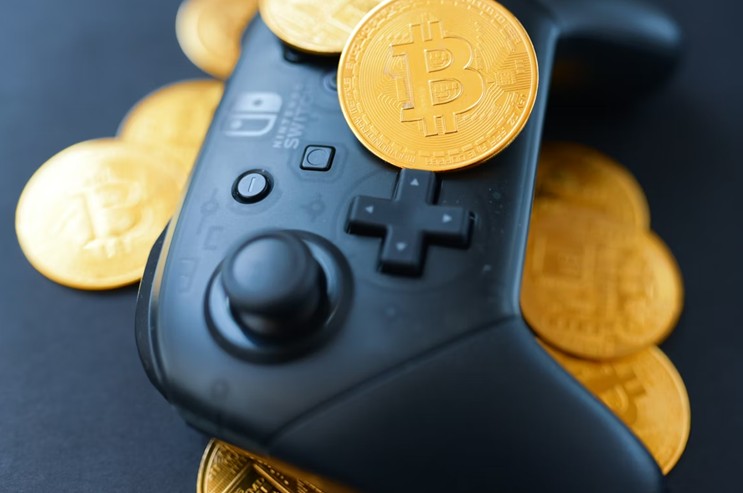
Virtual currencies are pretty much everywhere in gaming these days, from massive multiplayer blockbusters to smaller indie titles. They act as flexible systems that let you pick up new gear, speed up your progress, or just make your character look distinct. While every game handles them a little differently, the core concept is usually the same. They create an internal economy that gives you choices while shaping the overall feel of the experience. Getting a handle on how these currencies work is key to making smart decisions, especially as these digital economies become more complex and connected to the wider digital world.
How Virtual Currencies Function Inside Games
Most of the time, you are dealing with two main categories: primary and premium. Primary currencies are the ones you earn naturally just by playing. You finish a mission, win a match, or push through a story chapter, and your balance goes up. This serves as the baseline economy that allows everyone to access standard items.


Premium currencies are a different story. These are usually bought with real money, though you might occasionally earn them through promotional rewards or special events. Their main job is to offer shortcuts or unlock exclusive content. When games structure this well, it acts as a fair, optional path for players who want faster access to cosmetics, special characters, or seasonal gear without forcing everyone to pay.
What Players Should Consider Before Engaging With Virtual Economies
Before you sink too much time or money into a virtual economy, there are a few things worth thinking about. The first is transparency. You want to know if the game clearly explains the value of its currency and the items you can buy with it. Games that care about player clarity make it obvious how to earn and use money, which reduces surprises and keeps the playing field fair.
You also want to keep an eye on exchange rates. Some games use bundled currency packages that can make it tricky to figure out the exact value of what you are buying. It is always worth taking a second to do the math, compare costs, and see if those higher-tier bundles are actually giving you a better return.
Competitive players often take an even more analytical approach. They watch the timing of updates and content rotations since these can shift costs and availability. For instance, sports games or seasonal battle passes often sync their currency systems with major real-world calendars. In this sense, virtual economies parallel other digital ecosystems where timing and odds are everything. It is similar to how players studying match data or comparing football odds at FortuneJack evaluate value based on shifting variables. That same mindset of analyzing risk and reward can help guide your decisions within complex game markets.
Finally, consider your timeline. Long-term games tend to reward patience and steady play, while quick-session games might push frequent microtransactions.
Understanding how a game structures its incentives helps you avoid overspending or ending up with a stockpile of currency you will never actually use. It helps to take a step back and ask if the item you are eyeing has staying power. Cosmetics look great at the moment, but they lose their shine pretty quickly if you switch characters or game modes later on. Progression boosts are similar. They feel good for that short-term rush, but once you hit your level cap, they become dead weight. Knowing what matters to you is the best way to avoid buyer’s remorse and make smarter calls.
The Broader Influence of Virtual Currencies on Gaming Culture
These currencies do more than just facilitate transactions; they shape how entire communities play together. Things like seasonal passes, rotating shops, and limited-time event tokens create a shared calendar that keeps everyone coming back. You see it when collectors trade notes on item value or when competitive players debate whether a paid upgrade is throwing off the game balance.
We are also seeing a real crossover between gaming economies and digital finance habits. If you are used to optimizing resources, comparing stats, and watching fluctuating prices in a game, you likely carry those instincts into other parts of your digital life. This is becoming standard in esports, simulation games, and card battlers, where tracking value is just part of the skill set.