

The modern world of digital entertainment has been primarily based on developments that were initially tested in video games and slots. There are a lot of elements that were created specifically for casinos, but now they can be found everywhere – from mobile games with grinding mechanics, to social media with emotional reactions from users. Everything is based on the mathematics of probability, models that transform ordinary item farming into a real thrill.
This mechanic affects not only the code but also the brain. People’s brains are designed in such a way that the mere anticipation of a prize is more invigorating than receiving it. As a result, we fall into an endless loop of engagement, from which it is incredibly difficult to escape.

The Psychology of Near-Winning and the Dopamine Loop
The probability systems have become popular because of the way our neurotransmitter system works. When a player opens a loot box or spins a slot, their brain produces dopamine, a hormone responsible for the anticipation of a reward. There are modern reports that confirm an important fact – the peak dopamine release occurs precisely during moments of uncertainty, not when the prize is actually won.
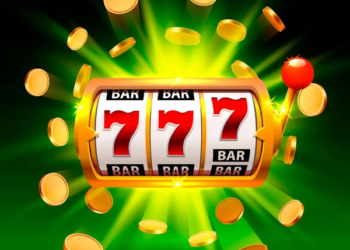
The near-miss effect is a very important factor that makes specific content much more popular. When two out of three symbols on a slot reel match, and the third stops millimeters away from the desired position, the brain interprets this not as a loss, but as a signal that victory is possible and it is right around the corner. This motivates the player to give the game another chance.
Several key factors make probability systems so appealing to the human psyche:
- The factor of variability. Rewards are provided not for every action, but at random intervals, making players try their best to play games more and anticipate the possibility of getting more benefits.
- Visual and auditory stimulation. Bright sparks, celebratory sounds, and the animation of opening a loot box create a sense of significance for even the most modest achievement.
- Illusion of control. Many systems offer the player the opportunity to choose when to press a button or «draw» a card, creating a false sense of influence over a random process.
- Social factor. If you look at the video games industry, on platforms like Steam or PlayStation, you can display rate items, achievements, or large wins in your profile for everybody to see. This creates a kind of leaderboard, which stimulates the desire for others to achieve all of this on their own.
These mechanisms create lasting attachment, transforming ordinary pastimes into deeply engaged experiences where every next step feels potentially decisive.
From Loot Boxes to Crash Games – The Evolution of Formats
Game mechanics are constantly changing, and hybrids are currently trending: they blend the simplicity of old-school slots with the excitement of modern action. This is how «crash games» emerged in the iGaming industry. Take Aviator Win Bet: you simply watch the plane take off, and along with it, the odds rise. The thrill lies in pressing the button at the right moment. Will you take your money right away or risk it for a bigger win before the plane disappears from the radar? It is completely unlike traditional slots; everything is transparent, and you can even see other players’ bets, as if you were participating in a shared competition.
To avoid confusion about how modern game mechanics work, it’s easier to view their essence through the lens of excitement and rewards. Here is what that looks like in practice.
|
Format |
Motivation |
Mechanics |
Rewards |
|
Loot Boxes |
Status and Collection |
Opening a case or pack |
Skins, heroes, cosmetics |
|
Slots |
Fast Money |
Spinning reels with RNG |
Direct payouts and bonuses |
|
Crash Games |
Adrenaline and Control |
Cashing out before the crash |
Bet multipliers |
|
Gacha |
Leveling and Progress |
Spending currency on «pulls» |
Weapons and rare characters |
This diversity is not accidental. The developers are simply hitting different triggers: some are willing to hunt for months for a rare skin, while others are only interested in the pure mathematical risk here and now.

Mathematics Behind the Scenes – How Algorithms Work
Behind the pretty image of any interface, there is always math. The main challenge here is finding a balance between giving the player a thrill and keeping the system in the black. Everything revolves around the RTP, theoretically, how much money is returned to players, but in reality, people experience volatility. These are those emotional «swings»: either you win a little every five minutes, or you’re broke, hoping for one rare but huge win.
Developers use a ton of tricks to keep people hooked:
- «Almost Win». When you are just one symbol short of the jackpot. This is not random, but a fine-tuning to make you try again.
- Habit. Daily bonuses train people to enter the game as if it were their job.
- FOMO. Promotions that expire in an hour force us to make decisions based on emotion.
As a result, these are no longer just dry numbers, but a full-fledged psychological tool that literally adapts to your weaknesses.