

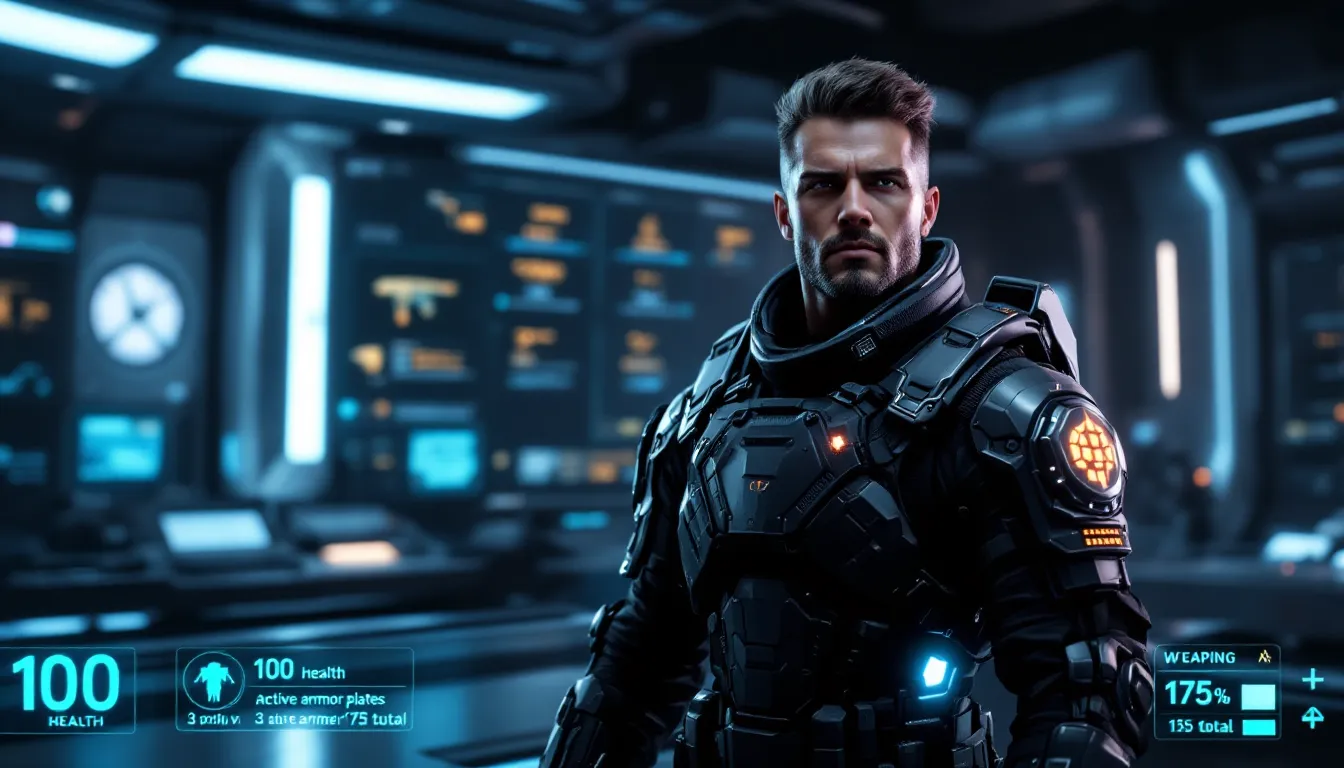
Your health pool in Warzone is the only thing standing between you and the respawn screen. Understanding exactly how much health you have, how armor plates protect you, and when to pop a self-revive can mean the difference between clutching a final fight and watching your squad wipe. Warzone’s health and armor system might seem straightforward on the surface, you’ve got a health bar and some armor plates, but the mechanics go deeper than that. Knowing the precise numbers, how different damage types interact with your protection, and when to rotate away versus stand your ground separates casual players from those consistently placing in the top 10. This guide breaks down everything you need to know about Warzone health mechanics, armor effectiveness, and recovery strategies so you can survive longer and win more fights in 2026.
Key Takeaways
- In Warzone, you start with 100 HP base health plus up to 3 armor plates (25 points each) for a maximum effective health of 175 HP, making armor management critical to survival.
- Armor absorbs all damage first before your health pool is affected, and while armor is replaceable through looting, health cannot regenerate without medical items like Stim Shots.
- Headshots bypass armor entirely and damage health directly, which is why positioning behind cover and using corner peeks are essential tactics for protecting your health pool.
- Prioritize carrying four armor plates (three active, one backup) during looting and always plate up between fights rather than pushing into engagements under-armored.
- Communicate your health status to teammates with callouts like ‘I’m 50 health, two plates broken’ to coordinate positioning and prevent unnecessary deaths in team fights.
- Use Stim Shots strategically between engagements rather than mid-firefight, as each restores 25 health and builds your reserves for sustained combat situations.
Understanding Warzone’s Health and Armor System
Total Health Pool and Damage Thresholds
Every operator in Warzone starts with 100 HP (health points). This is your baseline. On top of that, you can carry up to 3 armor plates that stack on your health pool, each providing 25 armor points when fully charged. That means your maximum possible effective health is 175 HP (100 base + 75 armor). But, most gunfights happen before you’re fully plated, so knowing how much damage certain weapons deal helps you predict survivability.


For example, most assault rifles deal around 30-40 damage per shot to the chest. At full health with three plates, you can absorb roughly 4-5 rifle shots before going down. Strip those plates away, and you’re done in 2-3 shots. This is why armor management is critical, losing even one plate makes you significantly more vulnerable.
How Armor Plates Work
Armor plates function as an additional health buffer that sits on top of your base health. When you take damage, armor absorbs hits first. Once a plate breaks (reaches zero durability), the next shot hits your actual health pool. Each plate depletes gradually: a shot that deals 35 damage might take out half of one plate, so you’re not always losing entire plates at once.
You can carry four armor plates in your inventory, but only three can be equipped at once on your body. The fourth sits in your backpack and automatically slots in once one of your active plates breaks. This auto-replenish mechanic is why looting armor quickly matters, if you only have one plate and get shot, you lose armor protection rather than health until you plate back up.
Difference Between Health and Armor
Your health is permanent per life, once it’s gone, you bleed out. Your armor is temporary and replaceable. You can regain armor plates by looting, but you cannot regenerate health outside of specific medical items (which are limited). This distinction shapes your entire survival strategy. If you’re at 50 HP with three plates, you’re actually in decent shape for a fight, just don’t miss that next engagement or you’re in trouble. If you’re at 100 HP with zero plates, you’re glass and should avoid pushing unless you have numbers advantage.
Armor also has regional variations depending on the map and game mode, but the core mechanic remains consistent: armor absorbs damage first, health is the final layer.
Base Health Values Across Game Modes
Multiplayer versus Warzone Health
Warzone’s health system differs from Call of Duty multiplayer. In multiplayer, players start with 100 HP and can’t plate up like in Warzone. Some multiplayer players jump into Warzone and forget they don’t have that armor cushion, leading to quick eliminations. Warzone’s 100 base HP + 75 armor is substantially more forgiving than multiplayer’s flat 100 HP, which is why TTK (time-to-kill) feels longer in Battle Royale.
This matters because weapon balance shifts between modes. A sniper that’s balanced for multiplayer might feel overpowered in Warzone if players have more effective health to burn through. Conversely, SMGs benefit from Warzone’s extended engagement ranges where armor can sustain gunfights that’d end instantly in multiplayer.
DMZ and Other Mode Variations
DMZ (Warzone’s extraction-based PvPvE mode) uses a similar health system to core Warzone, but contracts and gameplay flow mean you’ll engage less frequently. Operators in DMZ can still carry three plates and have 100 base health, so survivability mechanics are the same.
Other limited-time modes occasionally adjust health values for balance. Resurgence playlists, for instance, have faster respawn timers which changes how you value armor, one life is less critical when you’re back in the fight within 15 seconds. Always check patch notes or in-game tooltips if you’re jumping into an unfamiliar mode, as health pools occasionally get tweaked for balance.
Armor Plates: Types, Protection, and Strategic Use
Armor Plate Effectiveness and Durability
All armor plates are functionally identical, they provide the same 25 armor points regardless of rarity. The difference lies in cosmetics and drop rates. You’ll find armor faster in higher-tier loot locations, but a common plate is just as protective as a legendary one once equipped. Each plate can take several shots before breaking, depending on weapon damage.
Armor durability isn’t displayed numerically on your HUD, but visual cracks appear as plates take damage. When you see significant cracking, one more hit will likely break that plate. Some players glance at their armor visually during fights to decide whether to push or fall back, if your plates are cracked, aggressive pushing is risky.
Headshots bypass armor entirely and damage health directly, which is why headshot accuracy separates good players from great ones. Even with three full plates, a clean headshot from an LW3A1 still deals massive damage.
Armor Rarity Levels and Color Coding
Armor plates come in five rarity tiers, color-coded for quick identification:
• Common (White) – Basic protection, most abundant
• Uncommon (Blue) – Slightly more common than common in mid-tier loot zones
• Rare (Purple) – Found in better loot spots, no gameplay difference
• Epic (Orange) – Rare spawns, purely cosmetic advantage
• Legendary (Gold) – Rarest drops, no actual benefit over common plates
The rarity system exists purely for loot progression and cosmetic satisfaction. Don’t ever think you’re at a disadvantage because your plate is white, you’re equally protected. Grab what you see first.
Best Practices for Armor Management
Keep your inventory organized. Always carry four plates if possible, three active and one in backpack. When you take damage, immediately check your plate status. If one plate is heavily cracked, consider rotating to cover to swap it out before engaging again. But, don’t obsess over armor management so much that you miss enemy rotations.
In early-game looting, prioritize plates over most other items. One plate is worth more than a grenade or even a secondary weapon in some cases. In late-game circles, armor becomes scarce, so preserve what you have. If you’re down to one plate in the final zone, play around cover and avoid unnecessary poke damage.
Getting Damaged and Recovery Mechanics
How Fast You Lose Health and Armor
Damage is applied instantly when bullets connect, but bleed-out (the death animation) takes a few seconds. This creates windows for teammates to revive you. If you’re hit and your health drops to zero, you’re not immediately eliminated, you enter a downed state for roughly 2-3 seconds before the respawn screen appears. Teammates can revive you during this window if they have the time and aren’t being suppressed.
Armor depletes at different rates depending on weapon. High-damage weapons like sniper rifles can break a full plate in one shot. Medium-damage weapons (ARs, SMGs) take multiple shots. Explosives and grenades damage armor and health simultaneously, making them powerful against grouped enemies. Knowing rough DPS values of common weapons helps you estimate how long you’ll survive in a given fight.
Medical Items and Self-Healing Options
You cannot regenerate health naturally in Warzone, no passive healing like some other BRs. You must use items:
• Stim Shot – Restores 25 health instantly, stackable up to 3 times per use
• Medical Station – Deployable item that heals teammates over time
• Self-Revive Kit – Get back up automatically after going down (legendary rarity, rare spawn)
• Combat Medic Perk – Class-based perk that speeds up revives
Stim Shots are your primary self-healing tool. Each use restores 25 health, so two uses get you from 50 to 100 health. They’re common in loot and stack in your inventory. Always carry at least two. Medical Stations are situational, useful in team rotations where you’ll hold a building for a minute, but not practical during active gunfights.
Self-Revive Kits are rare and powerful but take time to activate. Use them only when it’s safe to get downed (your squad is nearby and can protect you).
Tactical Advantage Through Health Management
Managing health proactively wins fights. If you’re at 40 health with full armor and see an enemy, that’s different from being at 40 health with zero armor. The same opponent becomes significantly more dangerous in the second scenario. Use this knowledge to decide engagements.
During a fight, use stim shots strategically. If you take a few shots and drop 30 health but your armor is intact, you might not need to heal immediately, wait until the next lull in fire. Burning a stim in the middle of combat wastes it because you’ll take more damage immediately after. Pop stims between fights or during cover repositioning.
Tips for Maximizing Your Health in Combat
Armor Plating Strategy and Rotation
Before every gunfight, ask yourself: “Am I fully plated?” If the answer is no, don’t engage unless you have a numbers advantage or must fight to survive circle damage. Full plates are one of your best assets. Prioritize plating up before rotating into contested zones.
During fights, position yourself so you can break line of sight to plate swap if needed. Never stand in open ground frantically switching armor, drop to cover, swap quickly, and re-engage. Some skilled players cancel animations by moving immediately after placing a plate, saving fractions of a second.
In squad play, coordinate who’s plating when. If two teammates take fire, one should rotate to cover while the other maintains suppression. Then they swap roles. This keeps pressure on enemies while ensuring your squad stays healthy.
Positioning and Cover Techniques
Health and positioning are inseparable. You’re never at full advantage unless you’re holding cover with angles over your enemies. Open ground multiplies damage received because enemies can shoot from multiple angles. Strong positioning makes you harder to hit and lets you plate safely.
Use corner peeks, aim at a corner before exposing your body fully. Pre-aim common angles so enemies have minimal time to react. If you’re low health, reverse-peek by backing around cover rather than stepping forward. This simple habit keeps your hitbox away from incoming fire.
Sound barriers, vehicles, and building interiors all reduce effective DPS taken. Even slight elevation changes (standing on a ramp) force enemies to adjust aim, buying you time to heal or reposition.
Team Communication and Support
Vocal callouts prevent your squad from spreading health pools thin. Call out your health status: “I’m 50 health, two plates broken” tells teammates you’re vulnerable and might need cover fire or a revive soon. This simple information prevents unnecessary deaths.
Split resources strategically. If one teammate is low health, they shouldn’t be forward during the next fight. They can trade heals with squad, if they stim first and fight second, they’re using their resources efficiently. Designate one player as “support” occasionally: that player carries extra stims and focuses on keeping everyone plated.
Health Changes and Updates in Modern Warzone
Recent Balance Changes and Adjustments
Warzone’s health mechanics have remained fairly consistent since the base game launched, but Warzone 2.0 and subsequent seasons have introduced tweaks. Armor plate strength hasn’t changed fundamentally, but weapon balance shifts affect how quickly plates break. Sniper rifles received slight nerfs to damage in mid-2024, meaning plated-up players can survive an extra shot in some scenarios. SMG buffs mean closer-range encounters punish lack of armor more severely.
According to guides from competitive sources, the meta has shifted toward weapon combinations that pressure armor efficiently. Knowing your current patch’s meta weapons tells you approximately how many shots it takes to break your plates. Always check patch notes after updates, especially for weapon adjustments.
Self-Revive Kits received spawn rate adjustments throughout 2024 and into 2025. They’re less common now than they were at launch, making strategic placement of them more valuable. Some seasons have removed them entirely from specific modes.
How Updates Affect Survival Strategy
Balance changes ripple through survival tactics. If explosives get buffed, holding buildings becomes riskier because grenades penetrate armor faster. Your positioning strategy shifts, you might avoid tight spaces or hold positions with multiple exits. If tactical equipment gets nerfed, aggressive pushing becomes more viable.
Monitor esports and competitive updates if you want to stay ahead of meta shifts. Pro players adapt to patches within hours, and their strategies often signal what works best post-patch. Watch a few competitive matches after a major update to see how top players adjust their health management and positioning.
Season transitions occasionally introduce new medical items or armor variants, but as of early 2026, the core system remains three standard armor plates plus base health. Any rumors of “level 4 armor” or “regenerating armor” are speculation, the system has been stable for a while now.
Common Mistakes Players Make with Health Management
Neglecting Armor Plates and Vulnerability
The most frequent error: looting without grabbing armor. New players often skip plates to pick up a third gun or extra ammunition. Wrong. Armor is your lifeline. A naked operator (zero armor) loses fights against equally-skilled opponents who have plates. Always prioritize armor during looting phases.
Another mistake is ignoring visual armor cracks. Your plates tell a story, cracked plates mean you’re vulnerable. Some players see cracks and keep fighting aggressively instead of rotating to cover to swap. That overconfidence costs lives. If your armor is visibly damaged, reposition or request support.
Failing to plate up between fights is another classic mistake. You loot a POI, fight, win, then push the next zone still at 60 health with one plate. You’re not fighting at your best. Take 10 seconds to plate up before the next engagement. It’s the difference between feeling invincible and getting two-tapped.
Poor Item Management in High-Pressure Situations
When pressure is on, final circle, squad down to one player, panic leads to poor decisions. Players waste stim shots mid-firefight when they should save them for between engagements. They swap armor when they shouldn’t. They forget to plate entirely and wonder why they died instantly.
Combat awareness requires managing health alongside aim. Practice stim timing by playing deathmatch-style modes where you fight constantly. Build muscle memory for when to heal. Muscle memory works even under pressure, while conscious decision-making fails.
Inventory bloat is another issue. Carrying 5 throwable items, 2 field upgrades, and 1 stim means you don’t have backup plates or a second stim. Trim unnecessary items. Two stims, two tactical items, two lethal items, and four armor plates is a solid baseline. Adjust based on playstyle, but keep it simple.
Last mistake: not communicating health status to teammates during fights. Your teammate doesn’t know you’re at 30 health, so they push when you needed them to hold back. Callouts prevent these snowball situations. “Need revive, they’re pushing us” or “I’m full health, can push” change the outcome of engagements.
Conclusion
You’re starting every life with 100 HP and the potential to add 75 armor through three plates. That’s your baseline, and how you protect and manage it determines your survival rate. Armor plates break fast under focused fire, health won’t regenerate on its own, and one careless mistake strips you of both. But you already know that because you’ve died before.
The difference between average and strong Warzone players is decision-making around health. Strong players constantly ask: Am I plated? Is my armor cracked? Should I fight or rotate? Do I have heals available? What’s my escape route if this goes south? Weak players fight on reflex without considering their HP or armor status.
Prioritize plates during looting, manage your stims between fights rather than during them, communicate health status to your squad, and rotate proactively when you’re low. Watch your armor visually and know when it’s safe to re-engage. Study how current meta weapons interact with armor to predict survivability. These fundamentals compound into longer life spans and more consistent placement in endgame circles.
Warzone in 2026 still revolves around these core mechanics: your 100 health, three plates, and smart decisions about when to fight and when to live for another zone. Master health management, and you’ll notice immediate improvements in your survival and your squad’s win rate.